

Efficient surveying in areas where boats cannot operate with drone-based bathymetry.
We offer open-source APIs for our devices, empowering developers by simplifying integration, accelerating development, improving functionality, and enhancing compatibility. This strategic move not only boosts developer satisfaction and productivity but also strengthens our market position and drives innovation.
Echologger APIs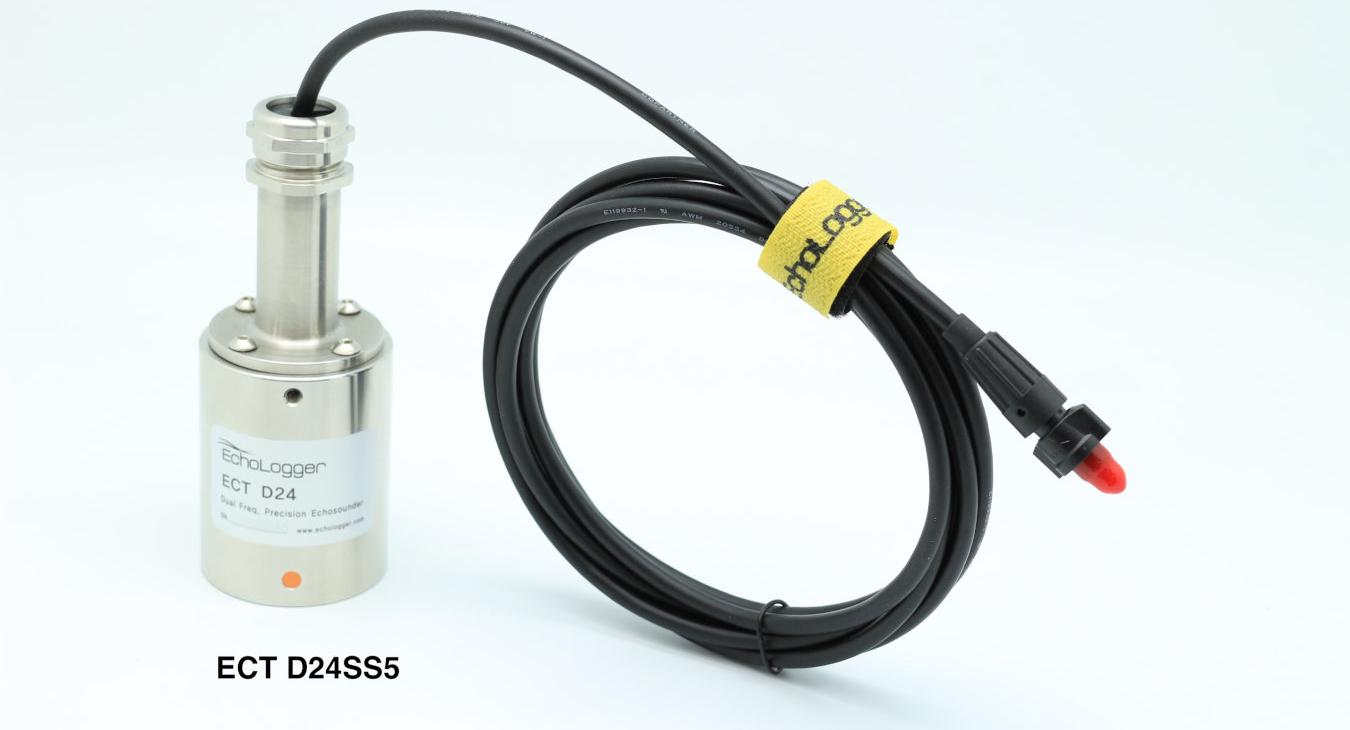

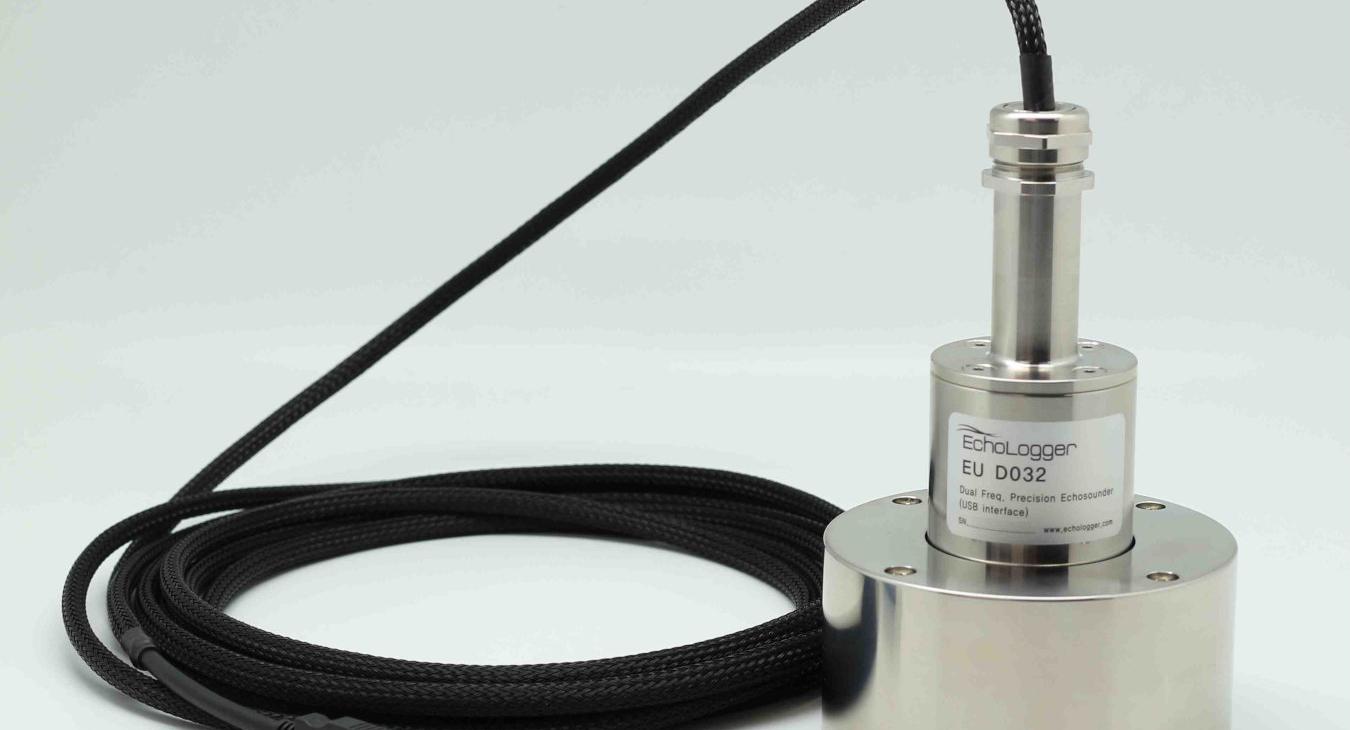
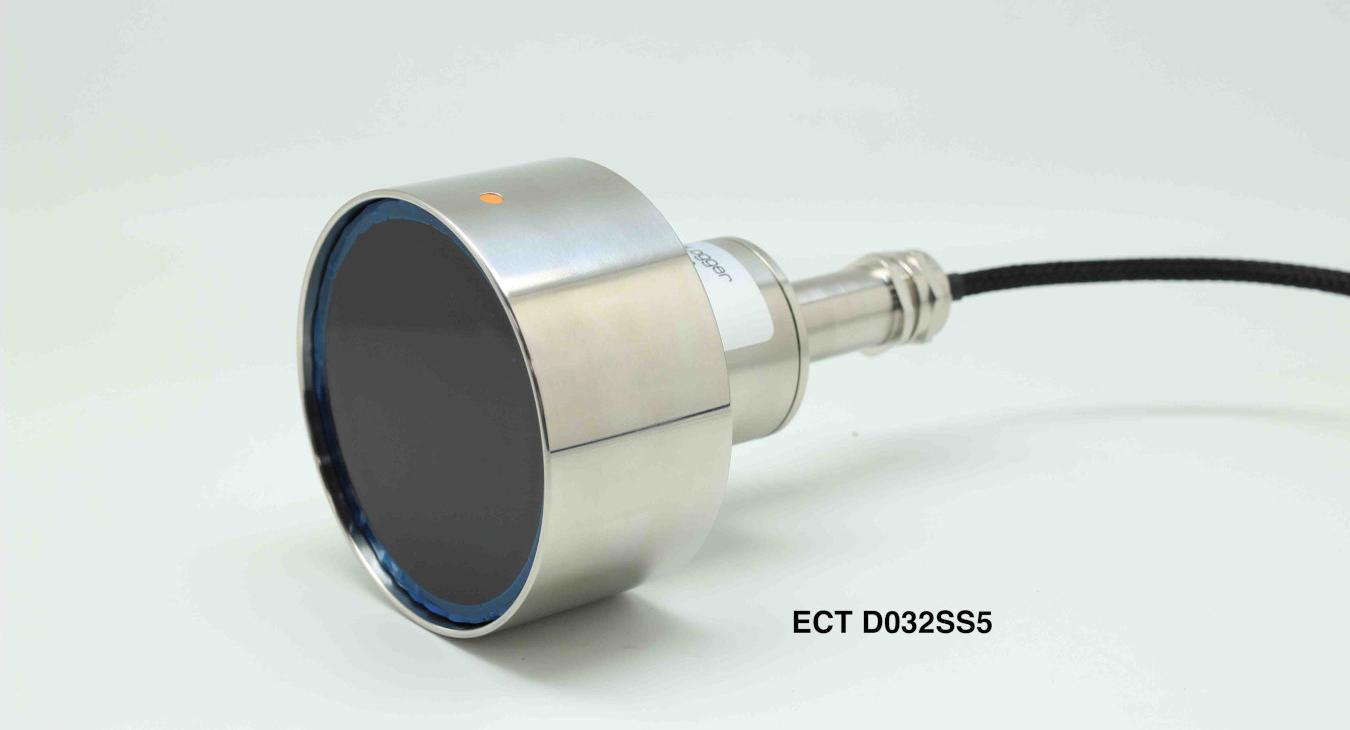
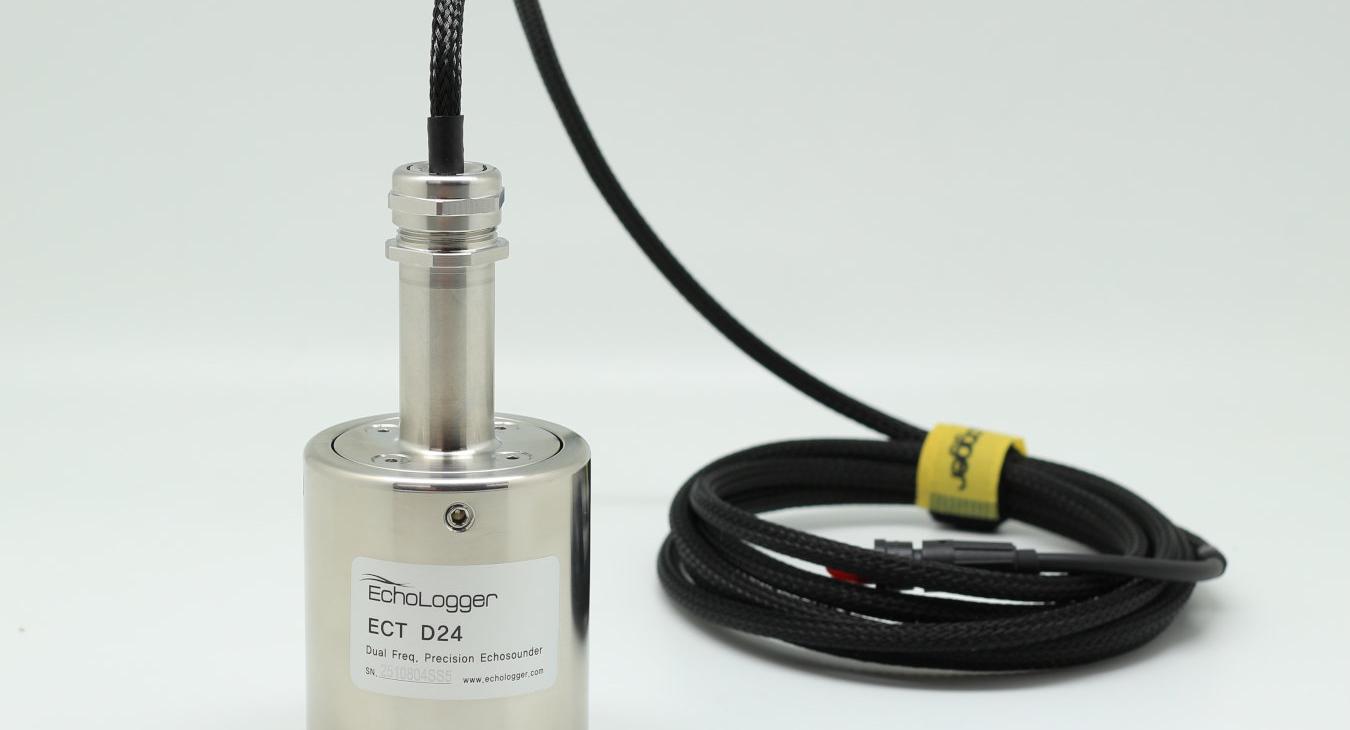


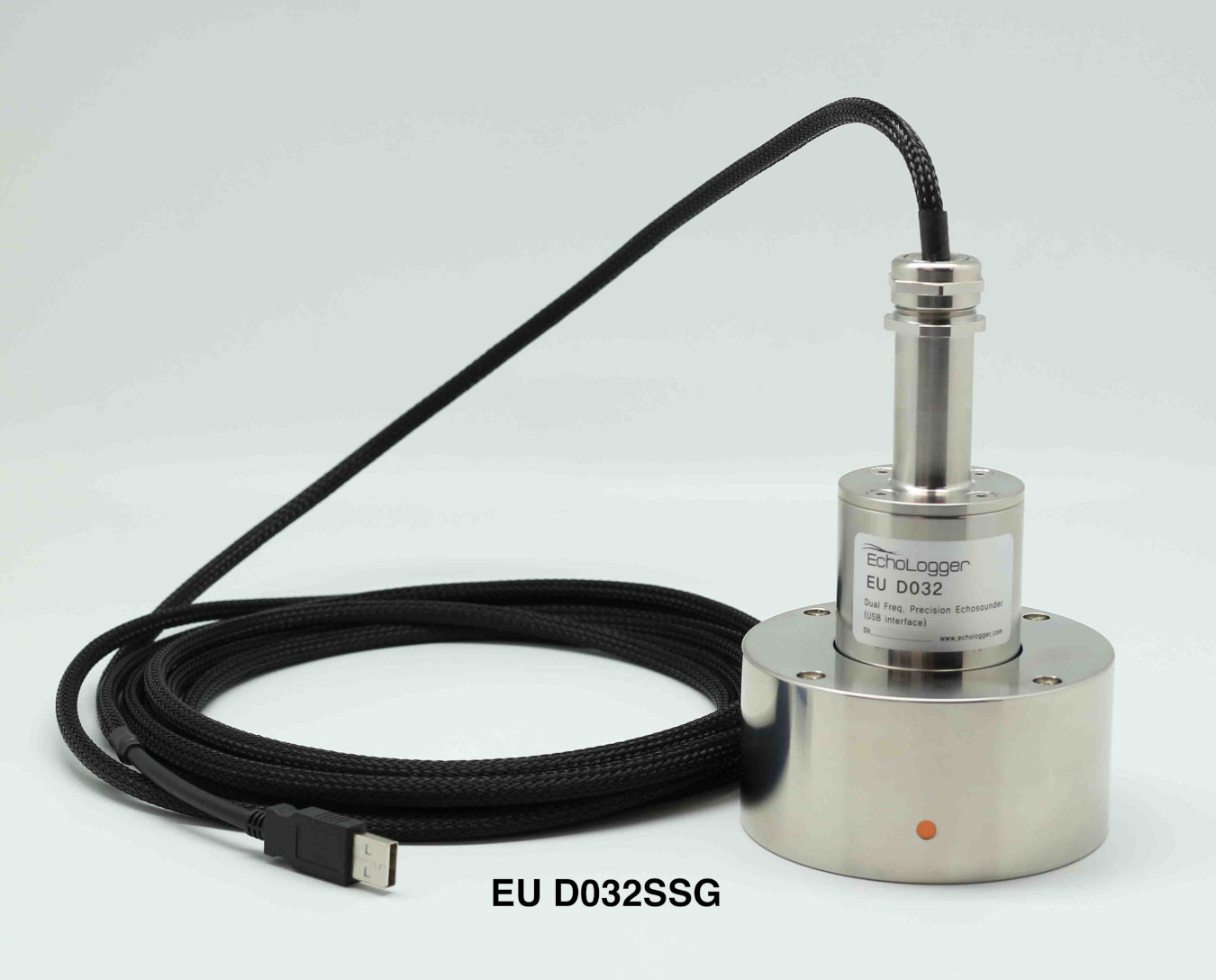


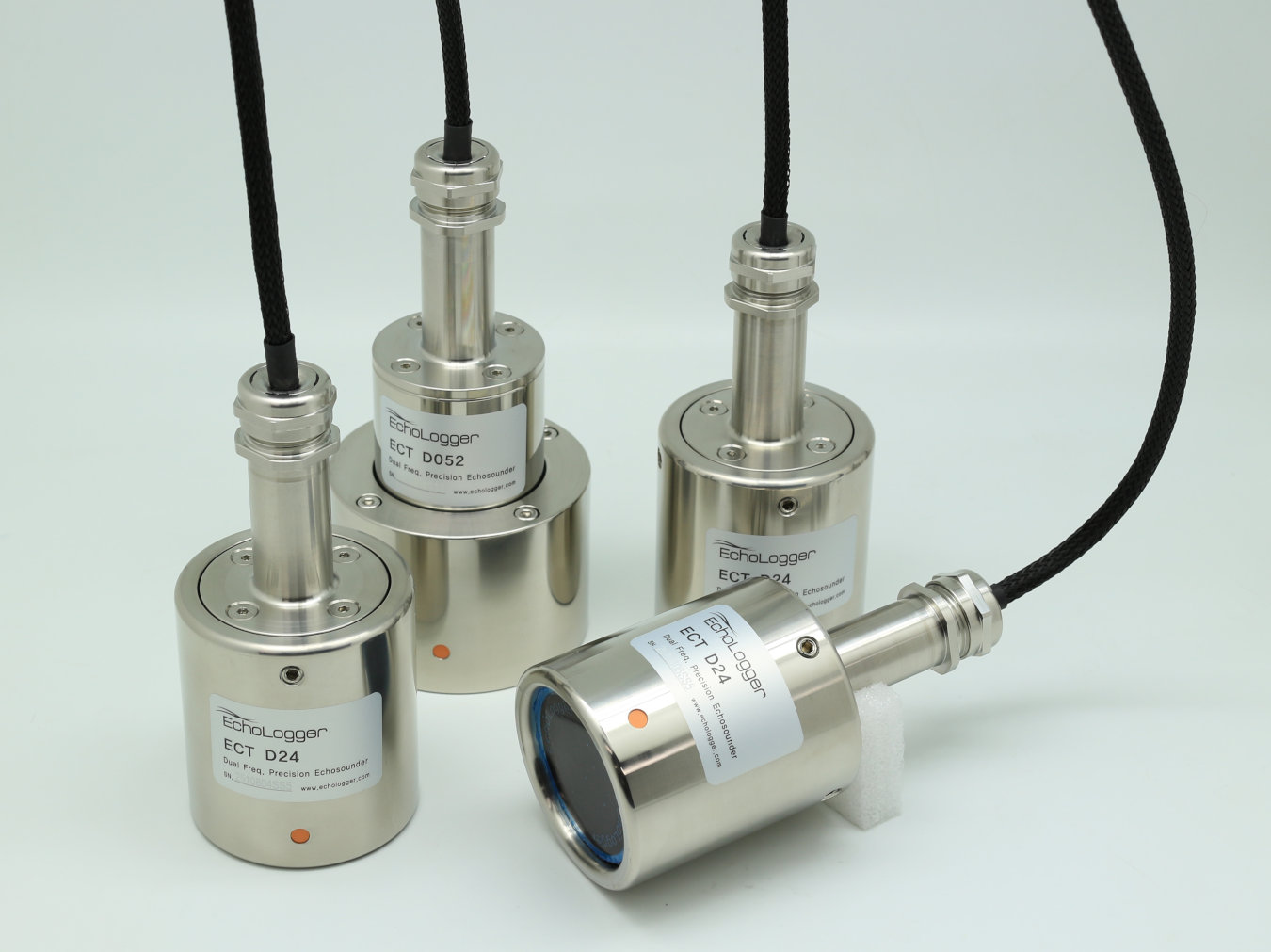
Drone-based bathymetry enables efficient surveying in areas where boats cannot operate - shallow channels, wetlands, steep banks, vegetation-obstructed zones and restricted-access sites. Echologger’s drone-ready towable echosounders are engineered for stable airborne towing, low-drag behaviour and reliable acoustic performance during low-altitude flights.
The towable versions include additional integrated weight compared to standard units, improving cable tension and ensuring stable orientation when towed by drones. Hydrodynamic housings, durable construction and gland-sealed cable entry make these sensors suitable for repeated UAV missions.
Typical UAV-based bathymetry applications are demonstrated by our esteemed partner, SPH Engineering, on their website:
https://www.sphengineering.com/integrated-systems/technologies/echo-sou…
Models
Single-Frequency Models
- ECT 400SSG — 450 kHz
- ECT 400SS5 — 450 kHz
- ECT 200SSG — 200 kHz
- ECT 200SS5 — 200 kHz
Please find the details on the related product page: Single Frequency Echosounder (Shallow)
Dual-Frequency Models
- ECT D24SSG — 200 / 450 kHz
- ECT D24SS5 — 200 / 450 kHz
- ECT D710SSG — 750 kHz / 1 MHz
- ECT D710SS5 — 750 kHz / 1 MHz
Please find the details on the related product page: Dual Frequency Echosounder (Shallow)
Dual-Frequency Models (Low-Frequency Range)
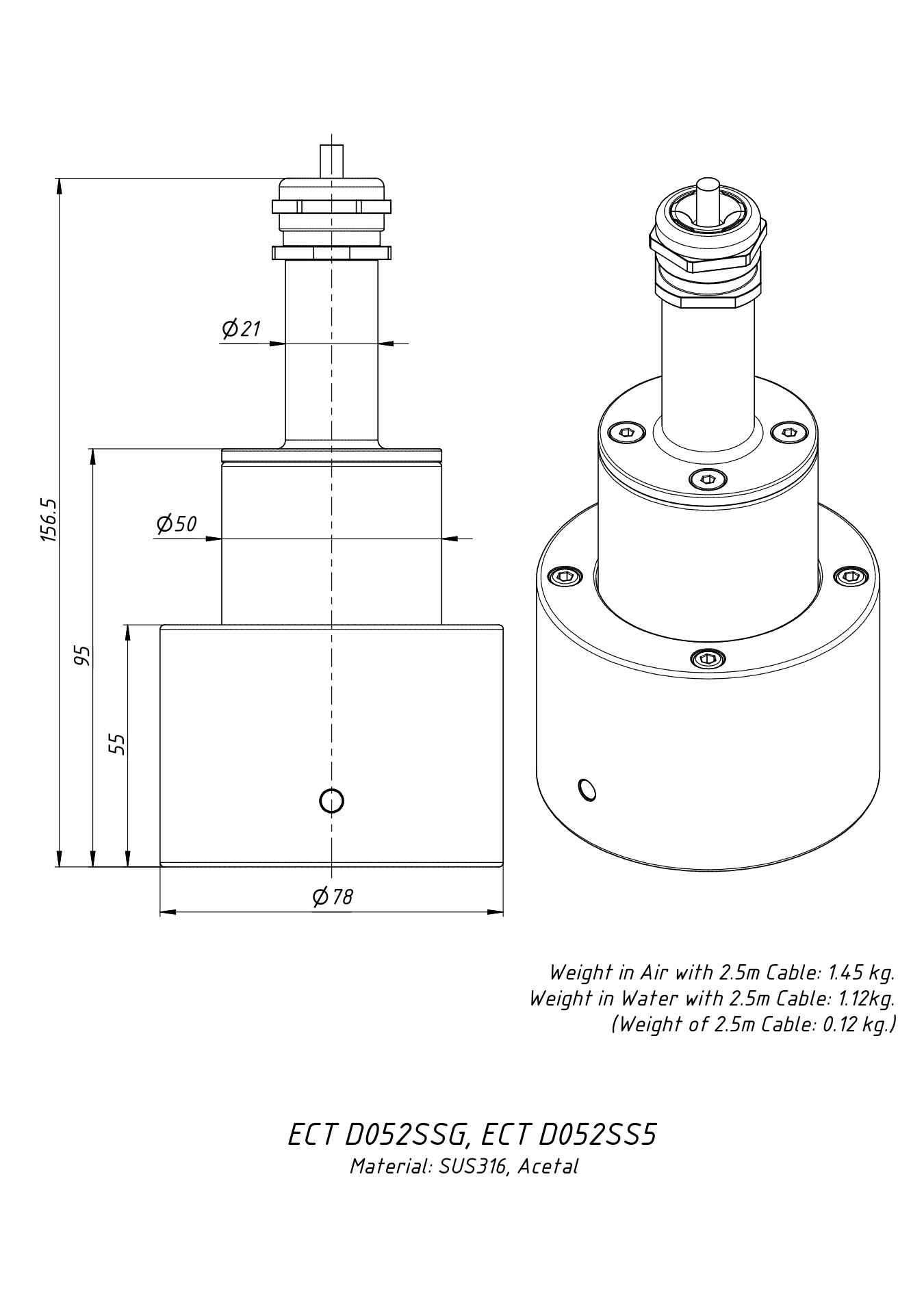
- ECT D052SSG — 50 / 200 kHz
- ECT D052SS5 — 50 / 200 kHz
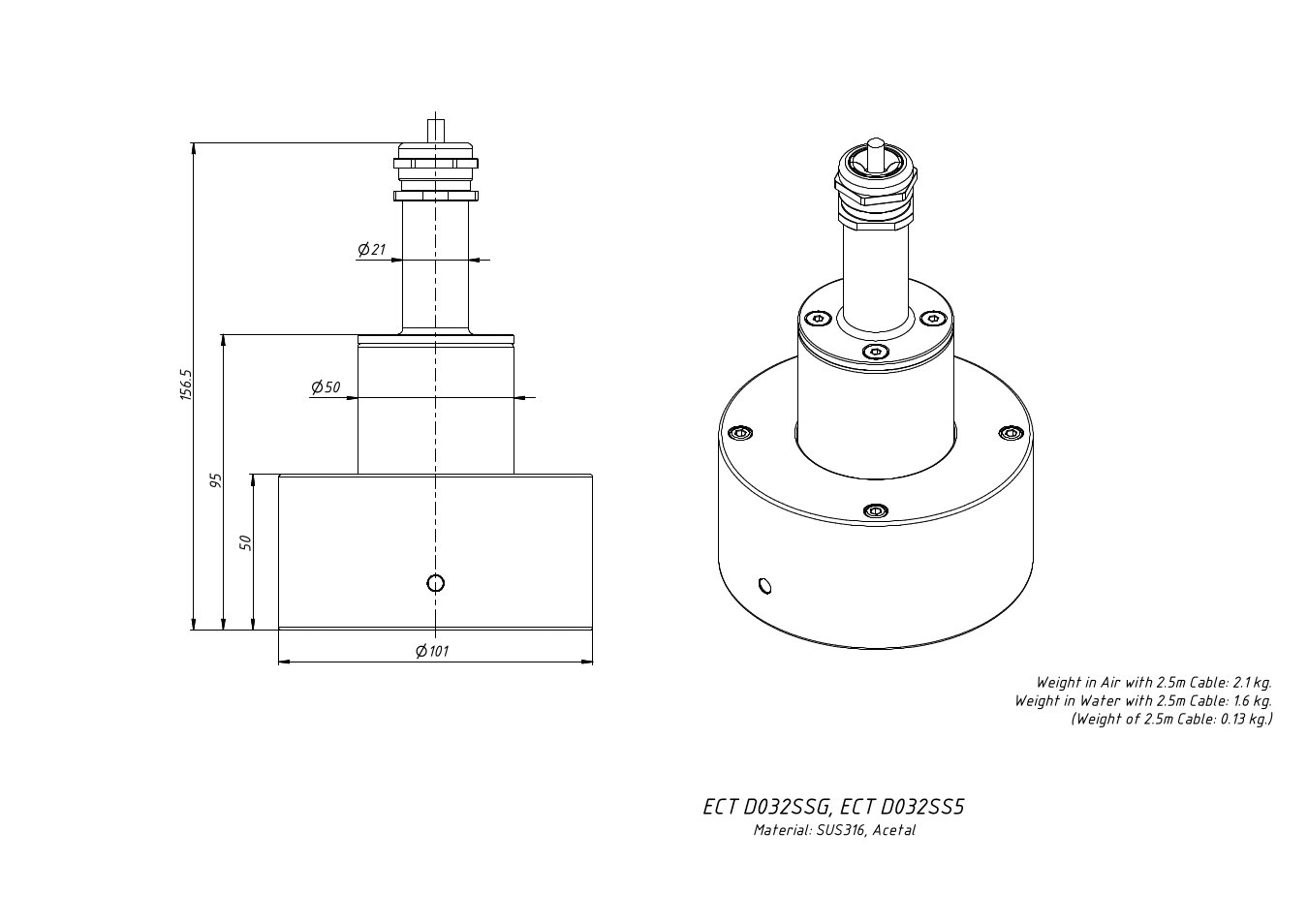
- ECT D032SSG — 30 / 200 kHz
- ECT D032SS5 — 30 / 200 kHz
Please find the details on the related product page: Dual Frequency Echosounder (Low Freq.)
USB Versions (Towable)
- EU xxxSSG towable versions available
USB interface — EU xxx replaces ECT xxx.
Cable Termination Options
All towable models use gland-sealed cable entry for strain relief and connector protection.
SSG — Gland-Sealed Cable + Standard Connectors
- ECT xxxSSG: Serial interface (RS232 / RS485) with DB9 connector
- EU xxxSSG: USB interface with fixed 5 m USB cable
SS5 — Gland-Sealed Cable + Skyhub-Compatible Connector
- 5-pin Skyhub-compatible connector for drone onboard controllers (e.g., UgCS Skyhub)
Features
- Stable tow-body for aerial bathymetry
- Extra integrated weight for improved towing stability
- Gland-sealed strain relief (SSG & SS5)
- Skyhub-compatible connection (SS5)
- Acoustic performance identical to standard survey grade ECT/EU models
- Low-drag cable configuration
- Rugged waterproof construction
Specifications are available on each model’s dedicated product page:
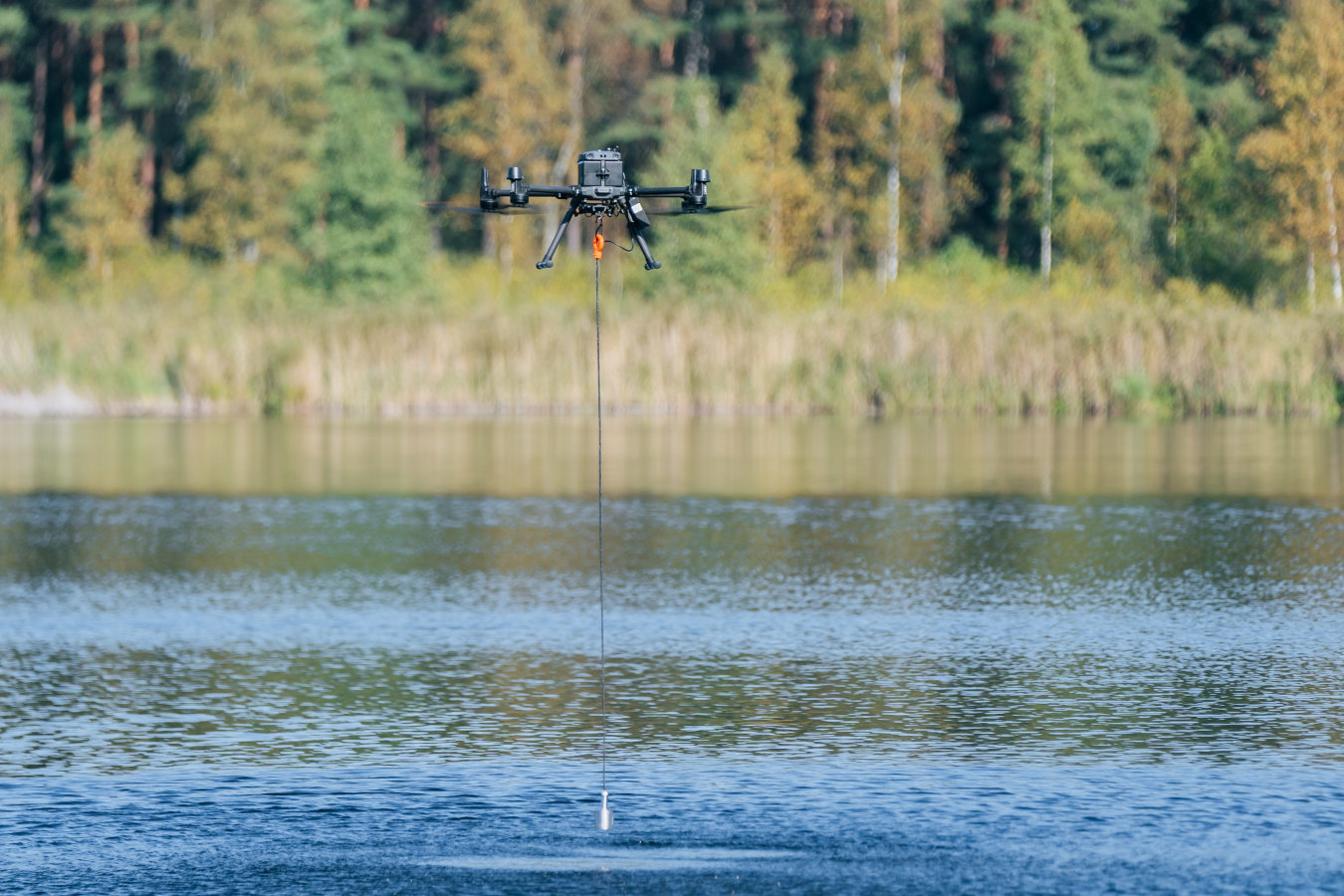

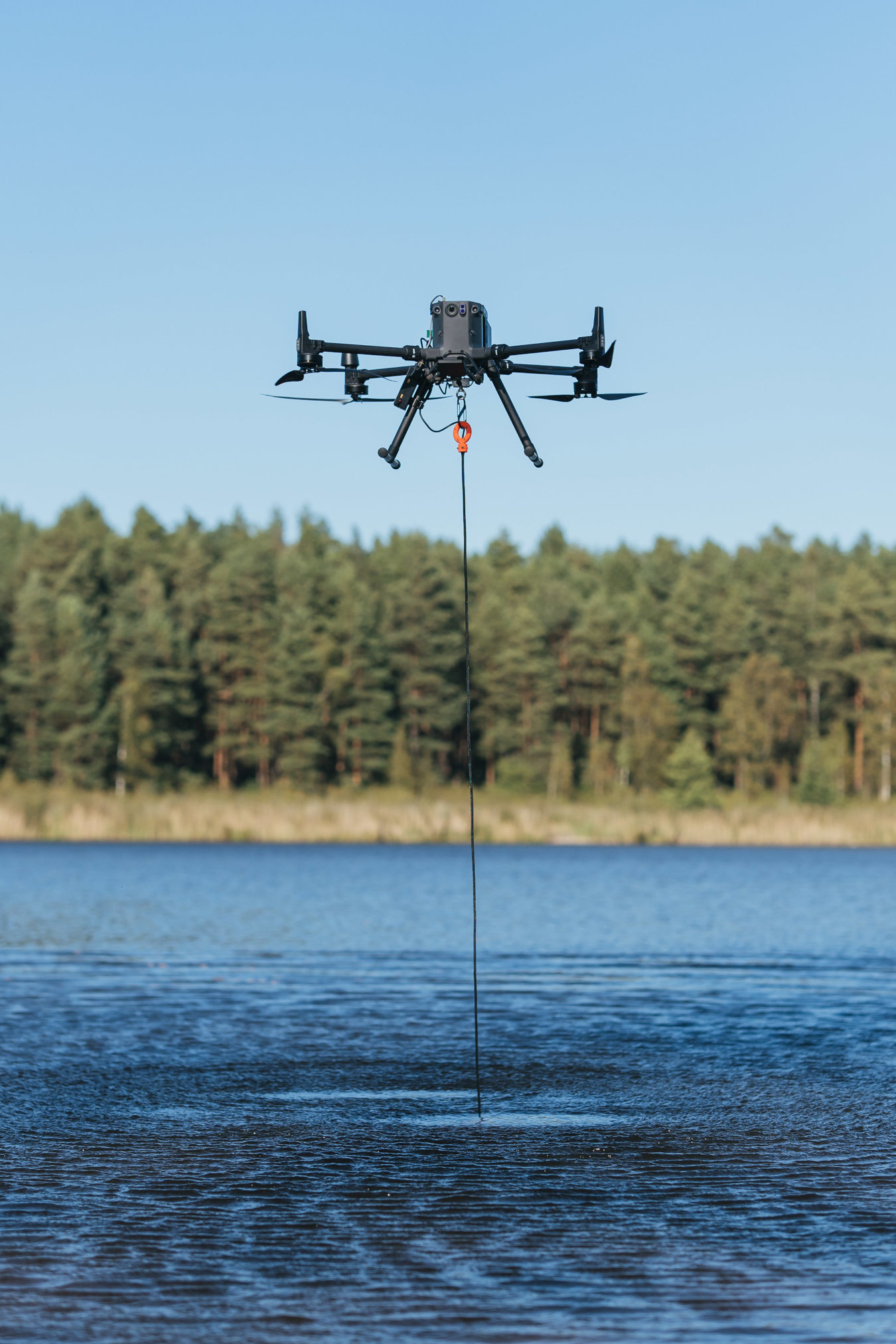

What are Drone Tow Echosounders designed for?
Drone Tow Echosounders are designed for UAV-based bathymetric surveying in locations where conventional survey boats cannot operate effectively.
Typical applications include:
- shallow channels
- wetlands / marshes
- vegetation-obstructed waters
- steep or inaccessible banks
- hazardous / restricted-access sites
They enable bathymetric surveys in areas where boat deployment is difficult or impossible.
How do Drone Tow Echosounders differ from standard echosounders?
Drone Tow versions are specially engineered for stable airborne towing.
Compared with standard models, they include:
- integrated ballast / added weight for towing stability
- hydrodynamic tow-body housing
- low-drag cable configuration
- gland-sealed strain relief for towing loads
These modifications improve orientation and stability during UAV operation while maintaining the acoustic performance of the base sensor.
Does towing affect acoustic performance?
No. Drone Tow Echosounders use the same acoustic cores as the corresponding standard ECT/EU models.
This means they provide:
- identical depth performance
- identical beam characteristics
- identical output/data formats
The towing modifications affect only the mechanical housing and deployment format.
Which acoustic models are available?
Drone Tow versions are available across the Echologger shallow and low-frequency ranges:
Single Frequency
- ECT 200SSG / SS5 → 200 kHz
- ECT 400SSG / SS5 → 450 kHz
Dual Frequency (Shallow)
- ECT D24SSG / SS5 → 200 / 450 kHz
- ECT D710SSG / SS5 → 750 kHz / 1 MHz
Dual Frequency (Low Frequency)
- ECT D052SSG / SS5 → 50 / 200 kHz
- ECT D032SSG / SS5 → 30 / 200 kHz
USB-interface towable versions are also available as EU xxxSSG.
What is the difference between SSG and SS5?
Drone Tow Echosounders are offered with two cable termination options:
SSG – Gland-Sealed Cable + Standard Connectors
- Serial models with DB9 connector
- USB models with fixed USB cable
SS5 – SkyHub-Compatible Connector
- 5-pin connector compatible with SPH Engineering SkyHub / UAV onboard controllers
This allows selection based on UAV integration architecture.
Are these compatible with drone bathymetry platforms such as SPH Engineering?
Yes. SS5 models are specifically designed for compatibility with SkyHub-type drone onboard controllers, including SPH Engineering UAV bathymetry workflows.
What flight conditions are best for UAV bathymetry?
For best results:
- maintain stable low-altitude flight
- minimise tow-body swing / pendulum motion
- use moderate survey speeds appropriate for the UAV platform
- ensure sufficient tow cable submergence and tension
Stable flight and towing geometry significantly improve data quality.
Is the system compatible with hydrographic software?
Yes. Drone Tow Echosounders output the same standard formats as base ECT/EU models and integrate with major hydrographic software including:
- BeamWorX
- HydroMagic
- HYPACK
- QPS Qinsy
- EIVA NaviSuite
- Trimble HydroPro / Trimble Access
- Chesapeake SonarWiz
Why choose Drone Tow instead of USV or Pole-Mount survey?
Choose Drone Tow when:
- survey area is inaccessible to boats/USVs
- shoreline access is difficult
- vegetation obstructs surface vessels
- very shallow or hazardous water prevents boat operation
- rapid airborne deployment is preferred
- Log in to post comments