

Autonomous data collection for long period of times from Echologger underwater sensors
We offer open-source APIs for our devices, empowering developers by simplifying integration, accelerating development, improving functionality, and enhancing compatibility. This strategic move not only boosts developer satisfaction and productivity but also strengthens our market position and drives innovation.
Echologger APIs
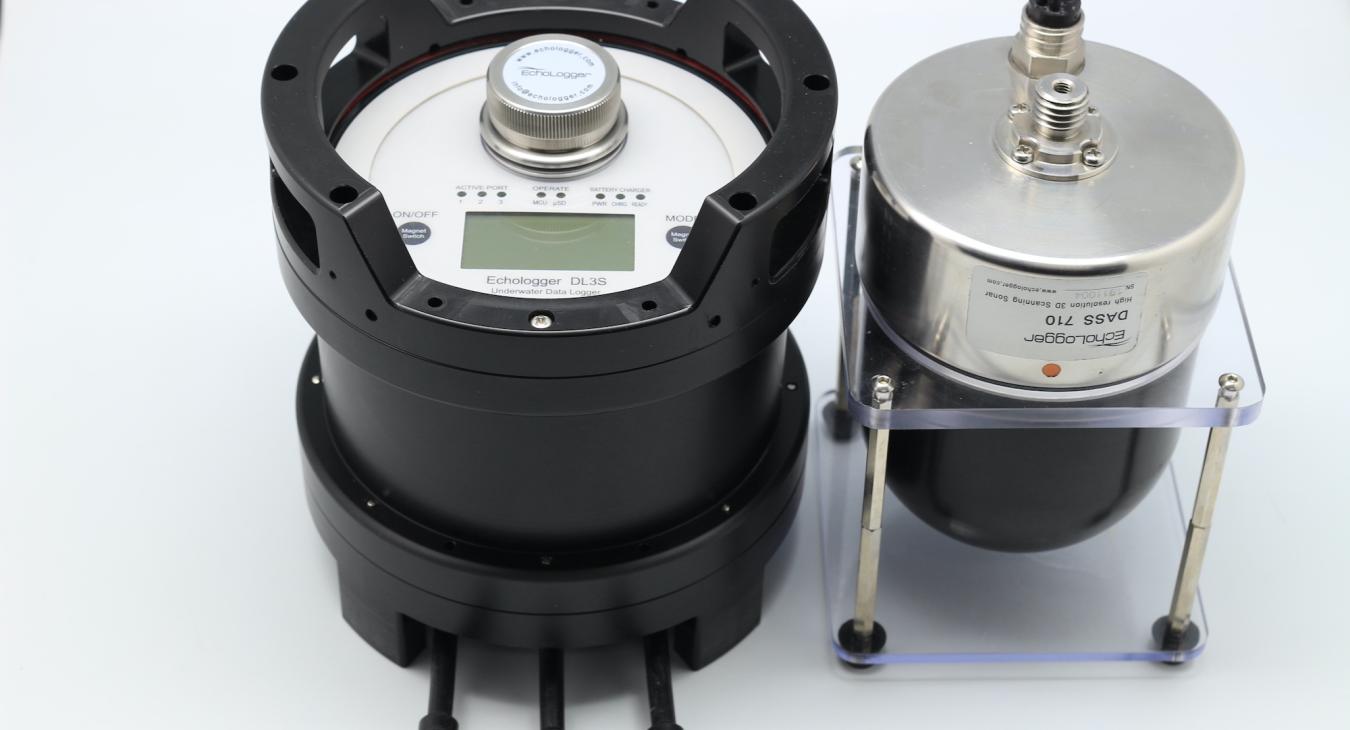


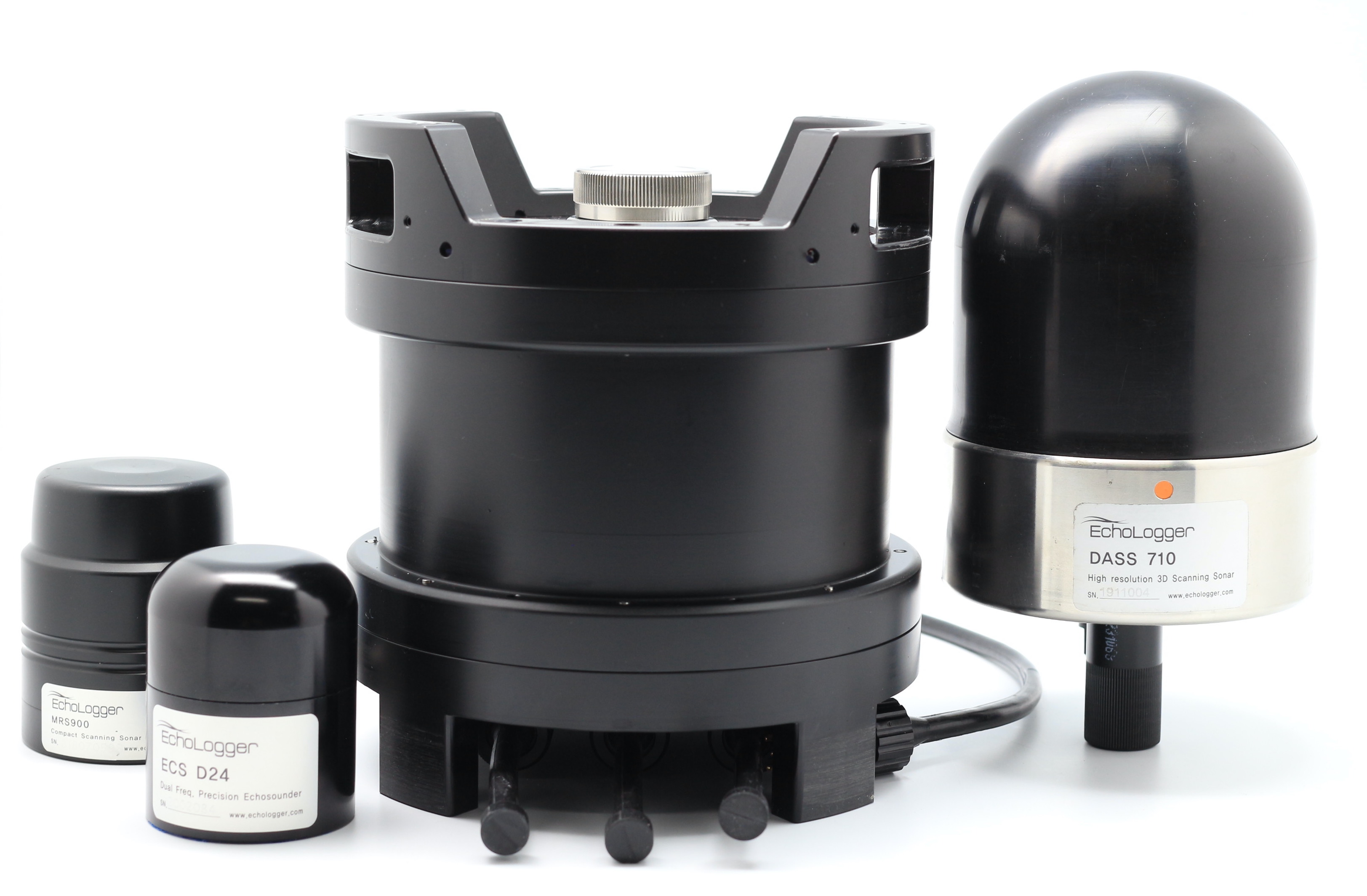


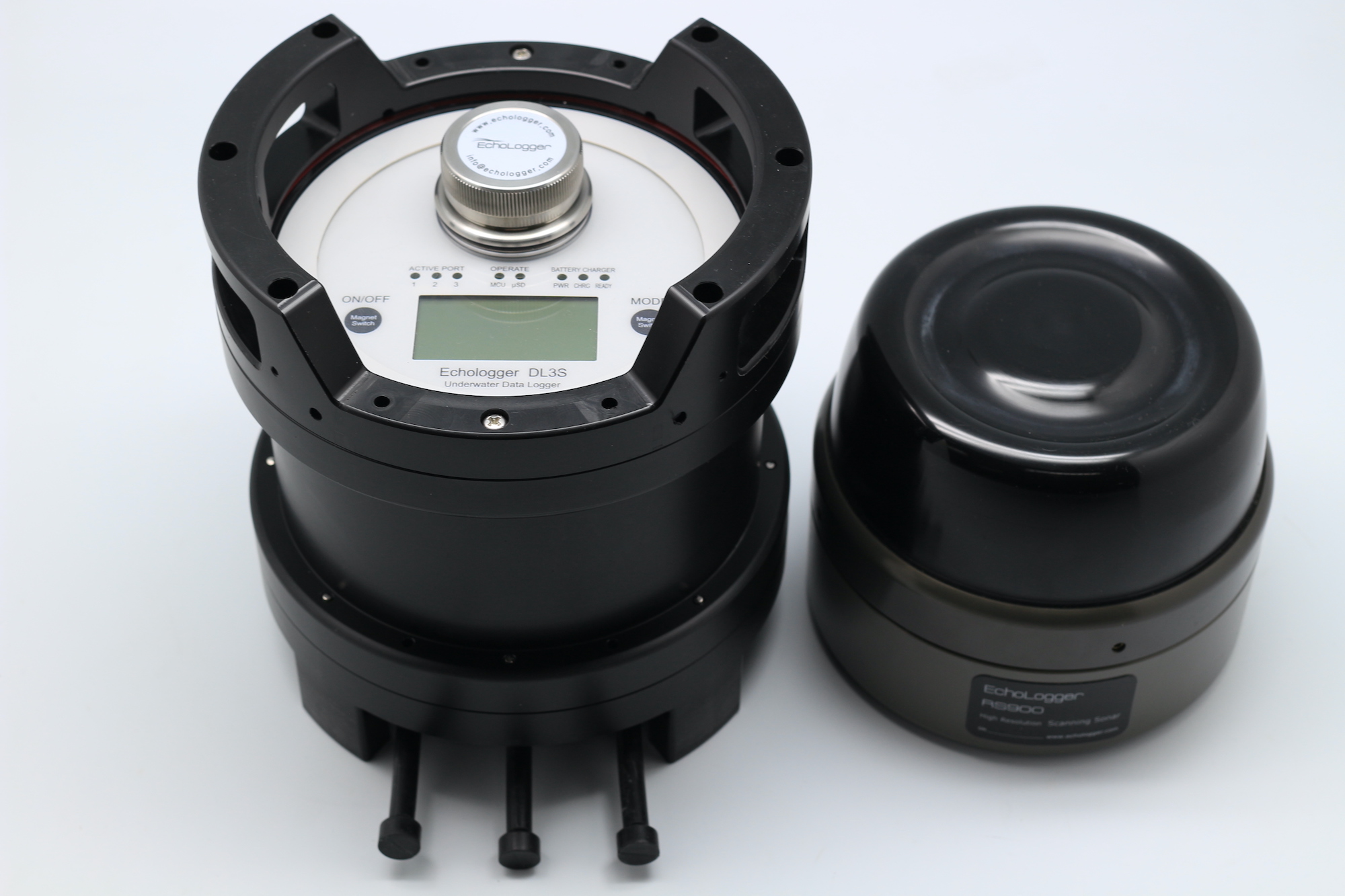


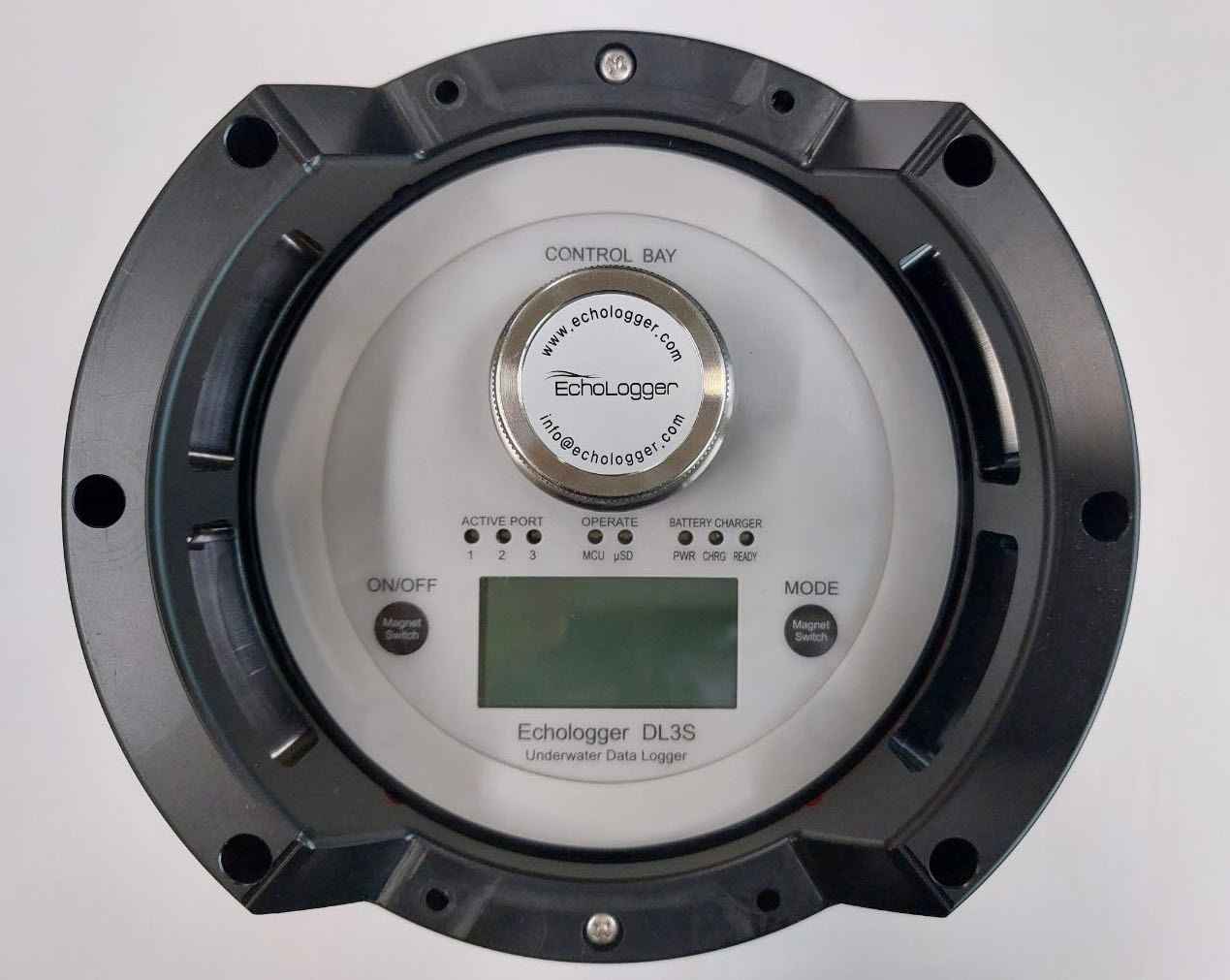
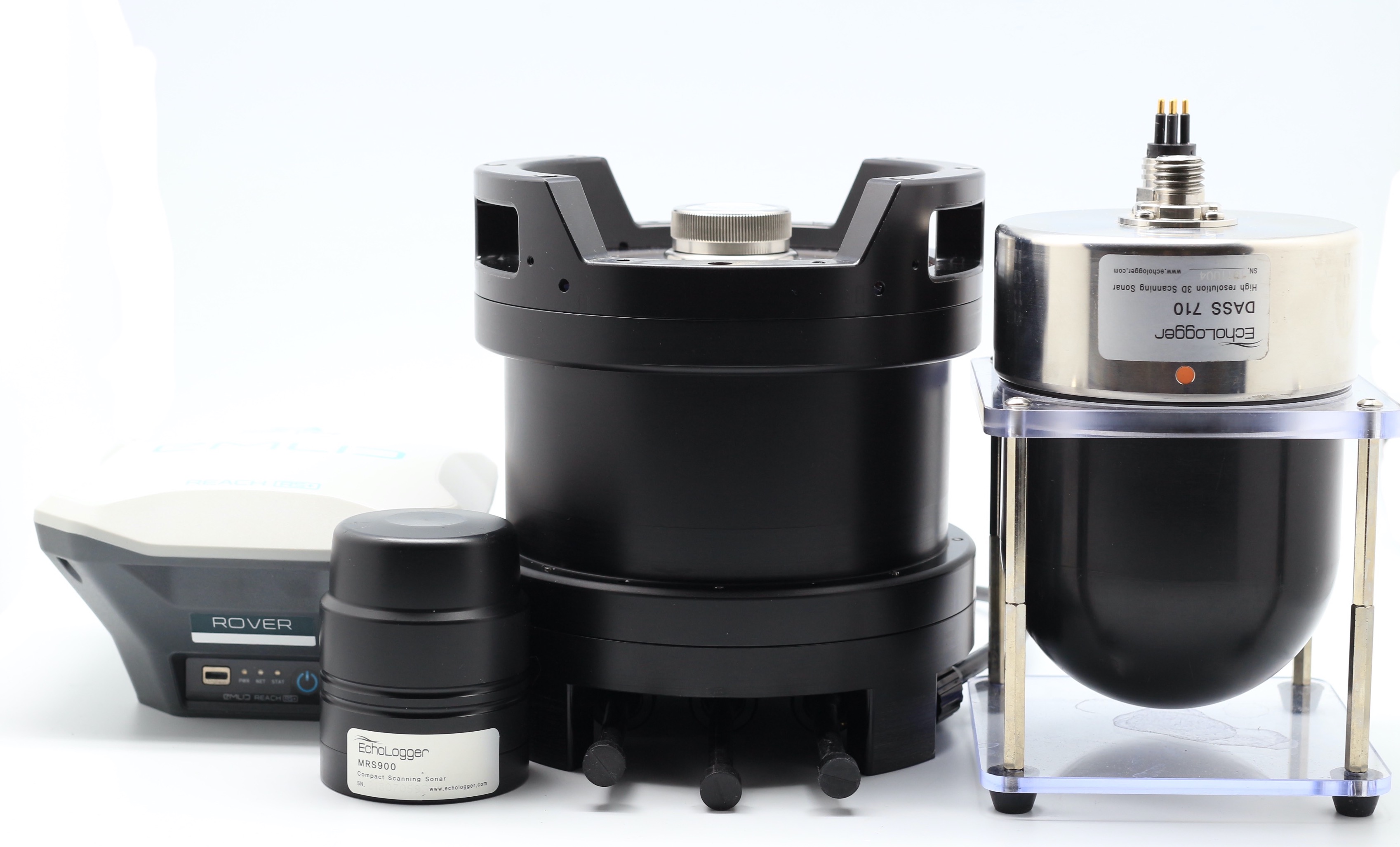
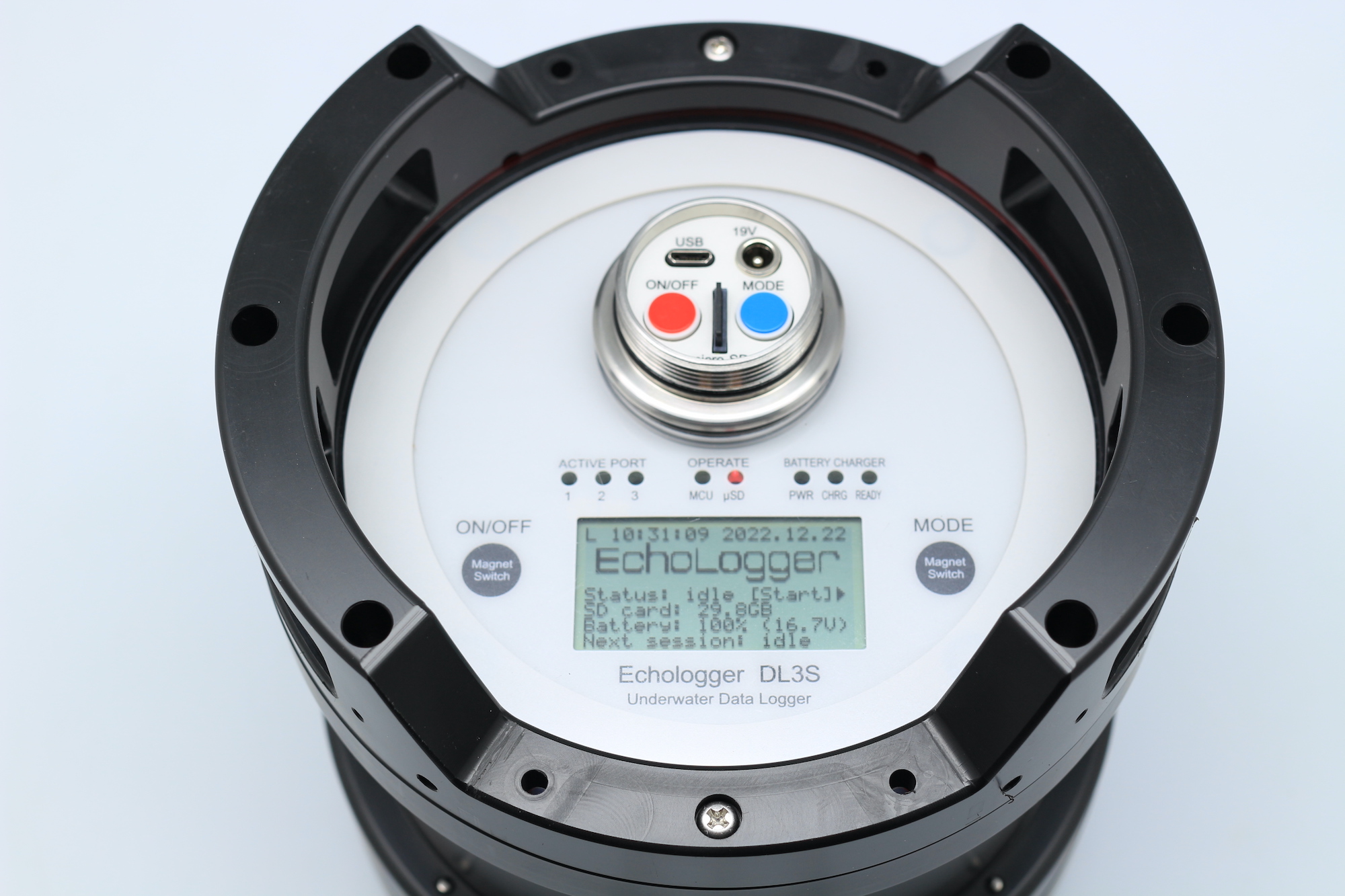
The DL3S underwater data logger stand out in the market as autonomous systems designed for underwater use, offering a range of practical and scientific features. These loggers operate autonomously, collecting real-time data over extended periods from various Echologger underwater sensors, including dual-frequency echosounders, fan beam scanning, and sharp pencil beam 3D sonar.
Echologger's sonar sensors are renowned globally for their role in underwater environmental studies, encompassing applications such as sediment monitoring, wave/tide monitoring, zooplankton studies, and marine structure monitoring. The DL3S serves as a dedicated long-term logging facility for these widely used sensors, ensuring seamless integration with Echologger's popular underwater sensing technologies.
Notably, the DL3S underwater data logger is equipped with embedded sensors, including temperature, pressure, compass, and tilt sensors. This unique feature allows the logger to independently collect valuable information in the water, even without external connections to the specified Echologger sensors mentioned earlier.
In summary, the DS3L and DL3S underwater data loggers offer an autonomous and versatile solution for collecting essential data from Echologger's renowned underwater sensors and embedded environmental sensors. Their capabilities make them indispensable tools for a range of underwater studies and monitoring applications.
| Batteries | Li-ion 14.4V, 14Ah (option, 28Ah) |
| No. of Ports | 3 |
| Connectors | MCBH6MSS |
| Memory | 32GB micro SD, SDHC |
| Power supply (for changing) | 18~24 VDC, 3A min |
| Compatible sensors (Echologger) | 3D sonar : DASS710 / Scanning sonar : RS900, MRS900 / Dual Freq. Echosounder : ECT D24, ECT D032, ECT D052, ECT D710 and equivalent ECS models |
| Compatible sensors (generic) | Any GPS with NMEA output |
| Embedded sensors | Pressure, Tilt, Compass, Temperature |
| Pressure Sensor | 0~30 bar, Resolution 0.2cm (in water) |
| Tilt sensor | Dual-axis, horizontal operation: ±90° |
| Compass | Data resolution 0.1° |
| Digital Output Interface to PC | USB |
| Communication Speed (to sensors) | 4800 ~ 230,400 baud (115,200 baud default) |
| Operating Depth | 100m |
| Operating Temperature | -10°C +50°C |
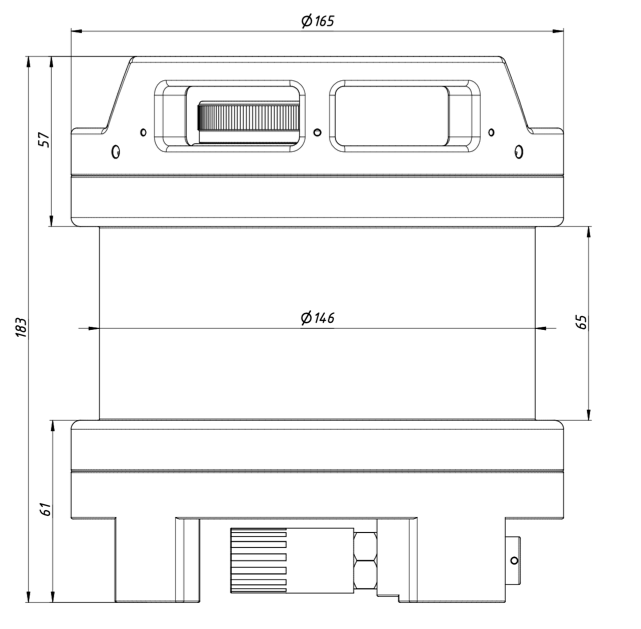
| Dimensions | Ø165 x H183 mm |
| Weight | 3.0 kg(air) |
| Housing Materials | Acetal, Polycarbonate (window), Stainless steel (cap) |


What is the DL3S designed for?
The DL3S is an autonomous underwater data logger designed for long-term subsea monitoring using Echologger sonar sensors and embedded environmental sensors.
Typical applications include:
- sediment movement monitoring
- scour monitoring
- wave / tide monitoring
- structure monitoring
- bathymetric / environmental studies
- fishery / zooplankton studies
What makes the DL3S different from a normal data logger?
Unlike generic subsea loggers, the DL3S is purpose-built for direct integration with Echologger underwater sensors.
It functions as a dedicated autonomous logging platform for:
- echosounders
- scanning sonars
- profiling sonars
- 3D scanning sonars
- auxiliary NMEA devices such as GPS
This simplifies deployment of long-term autonomous underwater monitoring systems.
How many devices can the DL3S connect to?
The DL3S provides 3 external sensor ports, allowing connection of up to three devices simultaneously, depending on the sensor combination and system configuration.
Typical configurations may include combinations such as:
- echosounder + scanning sonar + GPS
- 3D sonar + positioning sensor
- multiple monitoring sensors in a single autonomous station
Which sensors can the DL3S connect to?
The DL3S supports a range of Echologger sensors, including:
- Dual-frequency echosounders
- Scanning sonars
- Profiling sonars
- 3D scanning sonar
It can also accept compatible external devices such as GPS with NMEA output where applicable.
Does the DL3S include its own onboard sensors?
Yes. The DL3S includes embedded environmental and orientation sensors as standard:
- Pressure Sensor
- Temperature Sensor
- Compass
- Tilt Sensor
This allows standalone environmental logging even without external sonar sensors connected.
Can the DL3S operate autonomously underwater?
Yes. The DL3S is designed for fully autonomous subsea deployment, collecting and storing data internally over extended periods.
It is ideal for:
- fixed seabed monitoring stations
- remote deployments
- long-term environmental studies
- autonomous monitoring frames
What storage and battery options are available?
Typical configuration includes:
- 32 GB Micro SD / SDHC storage
- 14.4 V Li-ion battery pack
- Optional larger battery capacity available
This supports long-duration deployment depending on connected sensors and logging schedule.
How is data retrieved after deployment?
Data is retrieved via:
- USB connection to PC
The logger stores collected data internally for post-deployment download and analysis.
What depth rating does the DL3S have?
The standard DL3S housing is rated to:
- 100 m operating depth
Deeper-rated versions may be available on request.
Why choose DL3S instead of EA400 / AA400?
Choose DL3S when:
- multiple sensors must be logged together
- external Echologger sonars need autonomous deployment
- greater flexibility/customisation is required
- a modular monitoring platform is preferred
Choose EA400 / AA400 when:
- a single integrated autonomous sensor is sufficient
- maximum simplicity/minimum deployment hardware is preferred
- Log in to post comments