

Ultracompact scanning sonar for high resolution profiling with a multi-frequency cone beam transducer.
We offer open-source APIs for our devices, empowering developers by simplifying integration, accelerating development, improving functionality, and enhancing compatibility. This strategic move not only boosts developer satisfaction and productivity but also strengthens our market position and drives innovation.
Echologger APIs


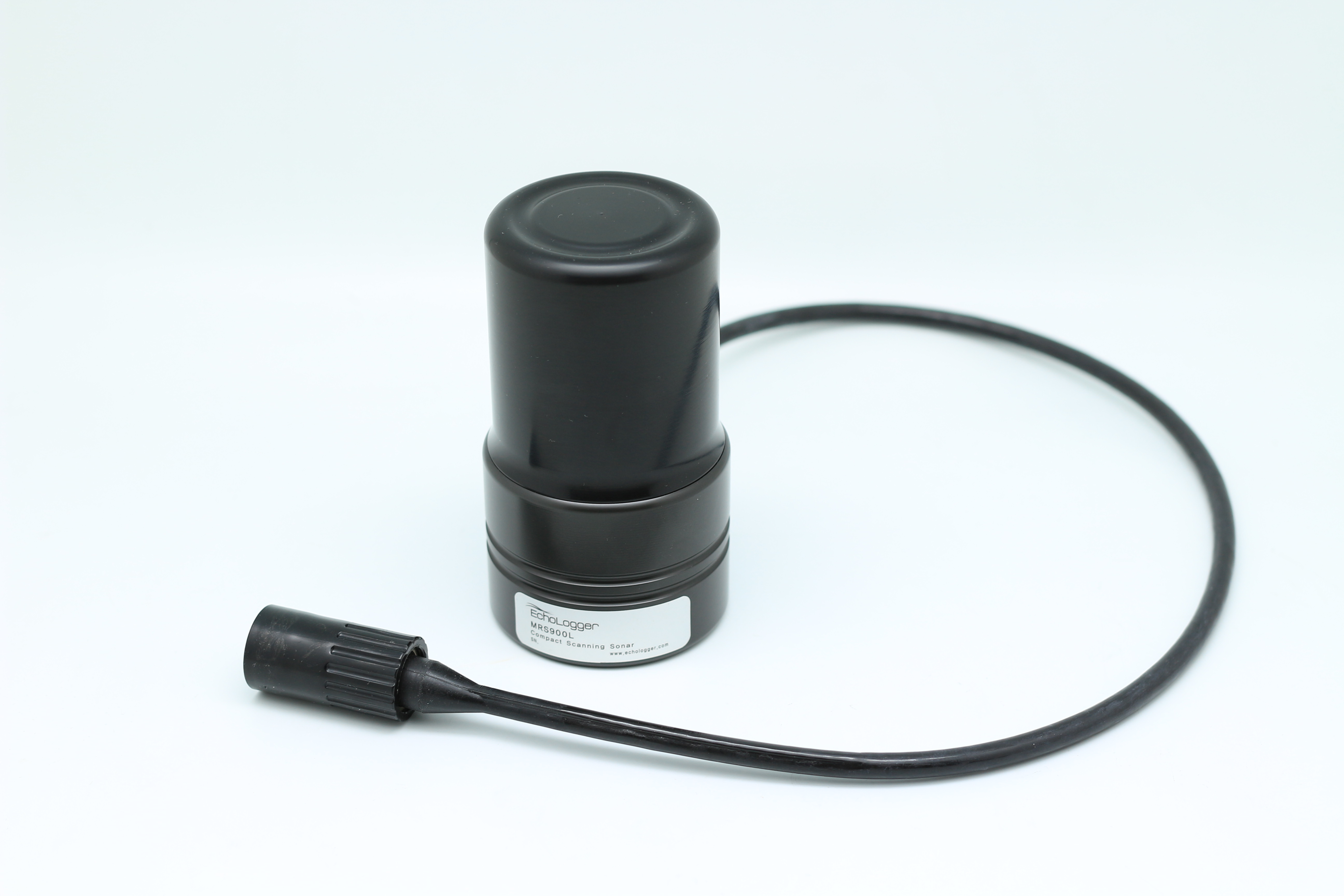

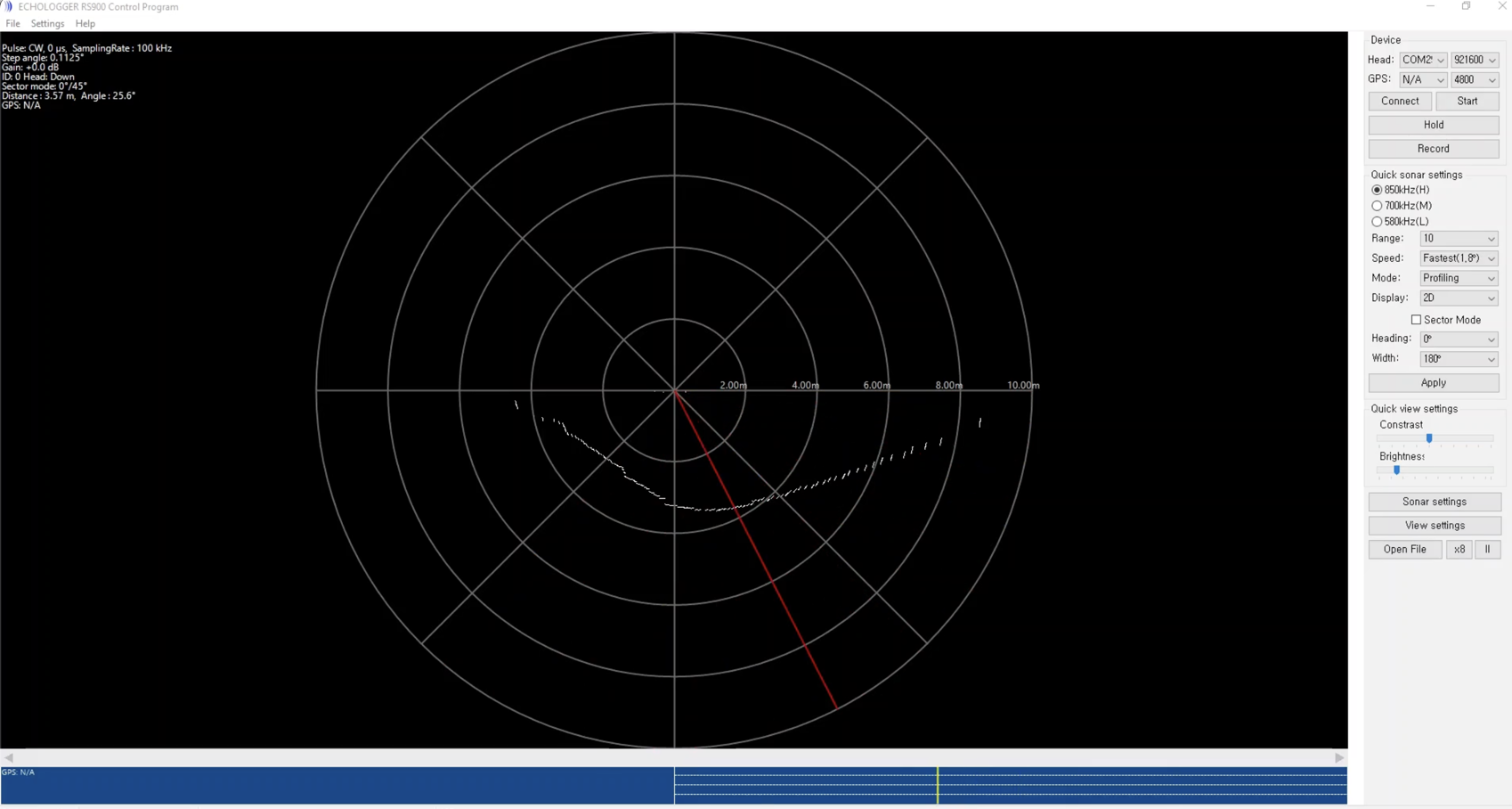
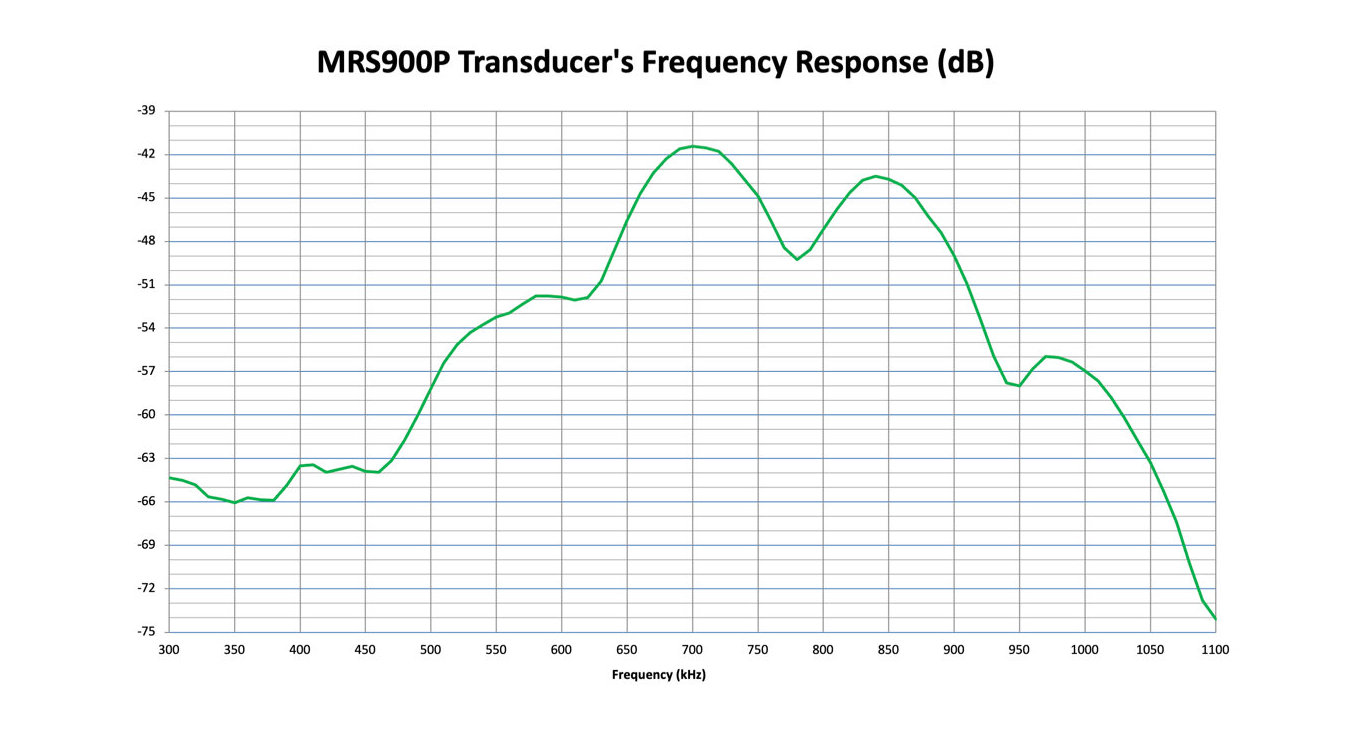
The MRS900P series redefines the standard for high-performance underwater profiling by combining advanced technology with affordability. Designed for precise profiling of underwater structures such as pipelines and subsea installations, this sonar series offers reliability, accuracy, and cost-effectiveness for demanding underwater operations.
With its 2-degree cone-beam transducer, the MRS900P series provides sharp, accurate imaging for detailed profiling tasks. The multi-frequency capability (850 kHz, 700 kHz, and 580 kHz) enhances operational flexibility, allowing users to select the optimal frequency for high-resolution or long-range measurements.
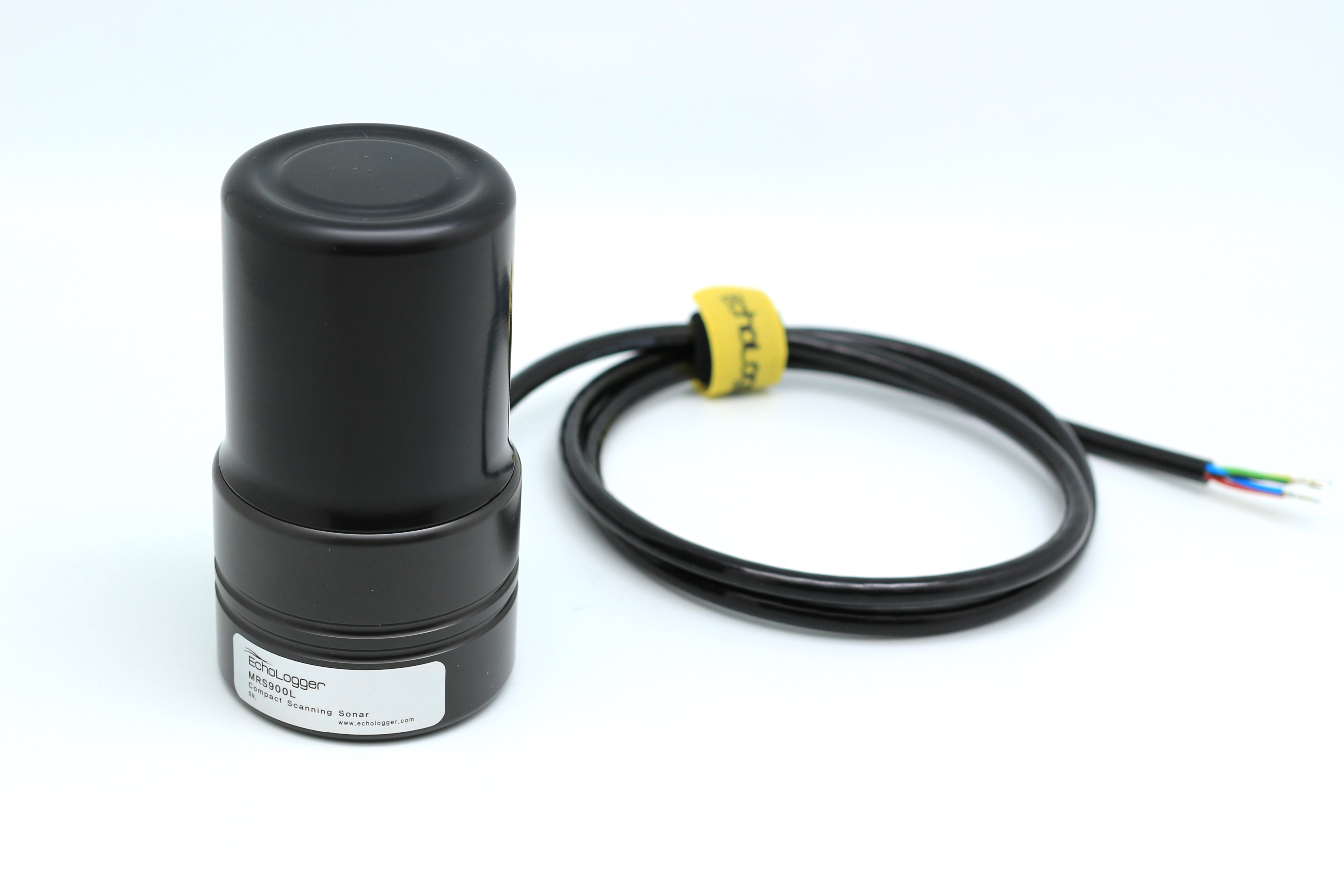
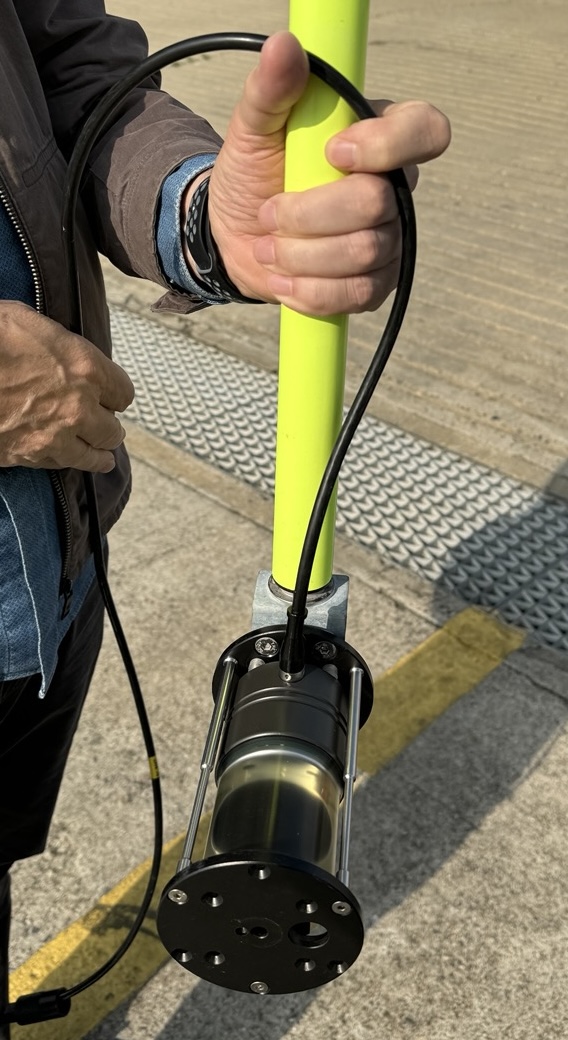
The series is available in three depth-rated models: MRS900P (2000m), MRS900LP (1000m), and MRS900SP (300m). These options make it adaptable to a wide range of underwater environments, from shallow coastal waters to deep-sea operations. Weighing just 500g, the lightweight design ensures easy deployment on various platforms, including ROVs, AUVs, and USVs.
Features
- Most compact profiling sonar in the market, weighing only 500g.
- High-resolution profiling with a piezo-composite broadband cone-beam transducer.
- Advanced digital CHIRP technology for superior resolution and image clarity.
- High-performance profiling with a precise 2-degree cone-beam transducer.
- Multi-frequency operation (850 kHz, 700 kHz, 580 kHz) for tailored performance.
- Non-contact rotational scanning mechanism for frictionless and reliable operation.
- Versatile depth ratings of 2000m, 1000m, and 300m to suit diverse needs.
- Lightweight and compact design, ideal for easy integration.
- Durable and reliable in challenging underwater environments.

| Pulse Type | Chirp, CW |
| Operating Frequency | 850 kHz, 700 kHz, 580 kHz |
| Beam Pattern | Cone beam 850 kHz: 2.0° 700 kHz: 2.4° 580 kHz: 2.7° |
| Min. range | 30 cm |
| Max. Range | 60 m |
| Range Resolution |
|
| Scanning Angle | Adjustable up to 360° |
| Scan Angle Resolution | 6.4sec / 360° @ range 10m, scan resolution 0.9° |
| Scanning Speed | @Imaging mode, 921,600 baud rate, 100 kHz sampling freq.
|
| Transmitting Pulse Length | 500 us (chirp), 10 - 100 us (CW) |
| Interface | RS232 / RS485 Baud rate up to 1 M |
| Power Requirements | 12 - 60 V DC, 4 W max. |
| Max Cable Length | 300 m @ baud rate 1 M, 1 km @ baud rate 115,200 |
| Connector |
|
| Operating Depth |
|
| Housing Material |
|
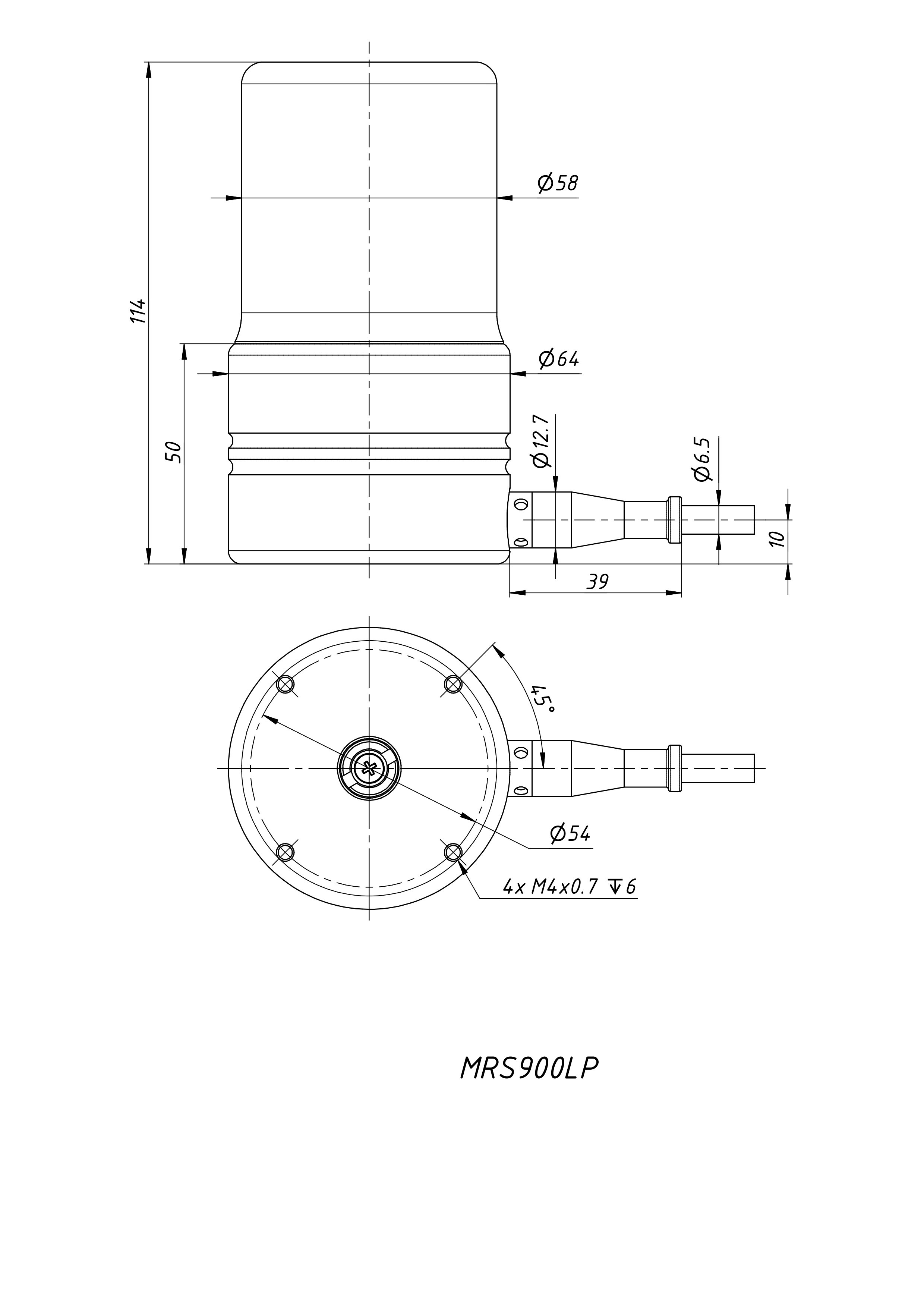
| Dimensions (mm) |
|
| Weight without cable (in air / in water) |
|



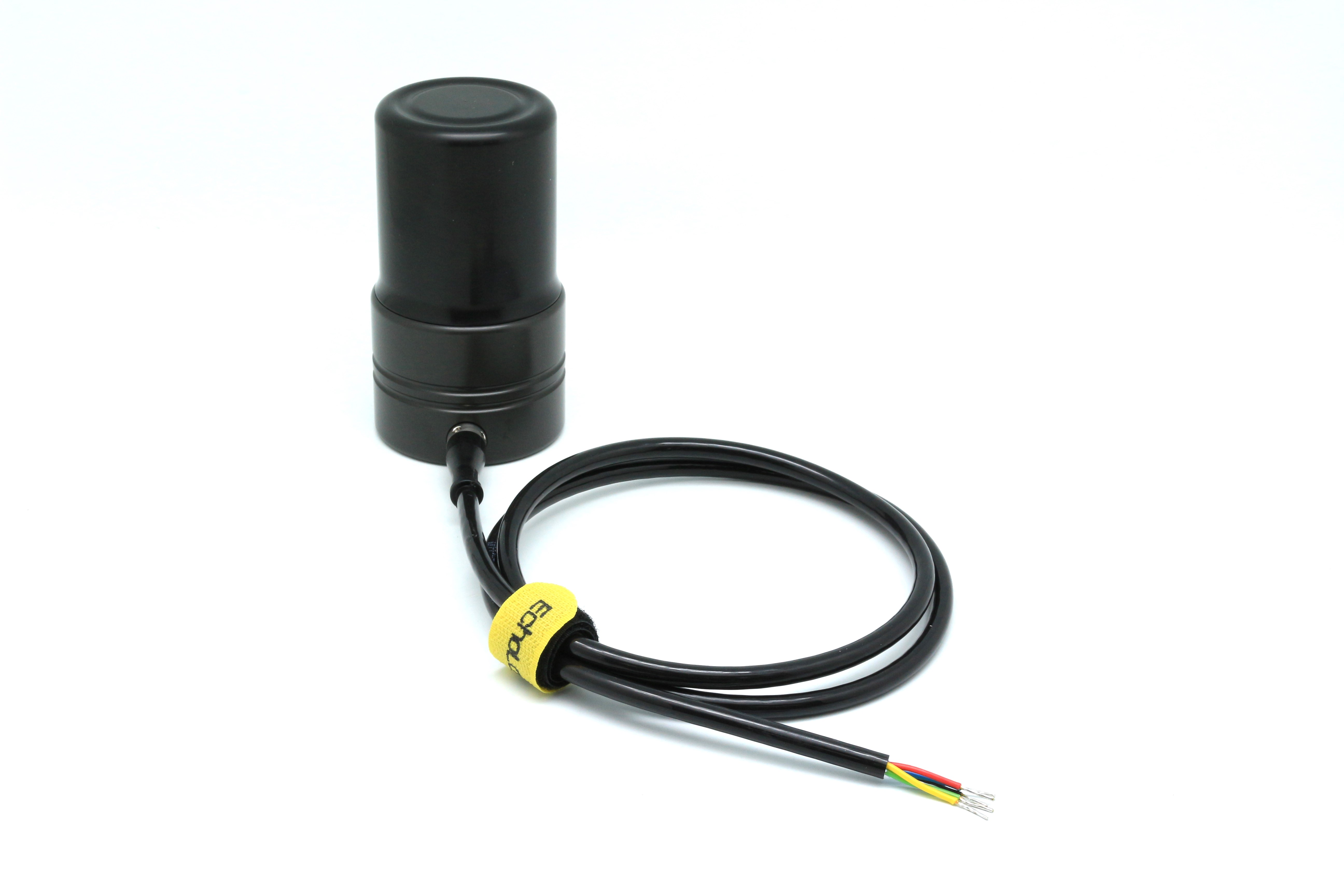
What is the MRS900P Profiling Sonar designed for?
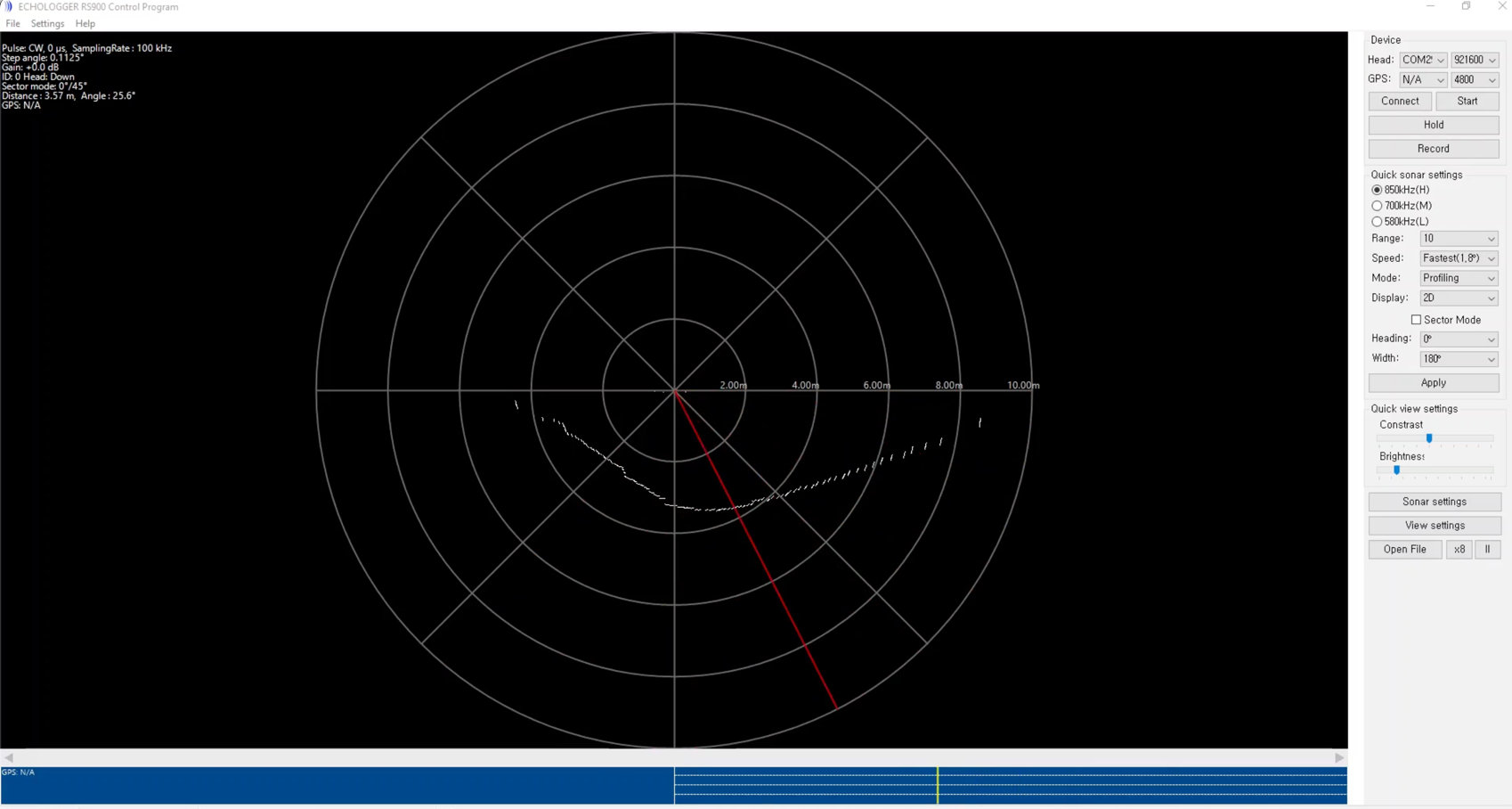
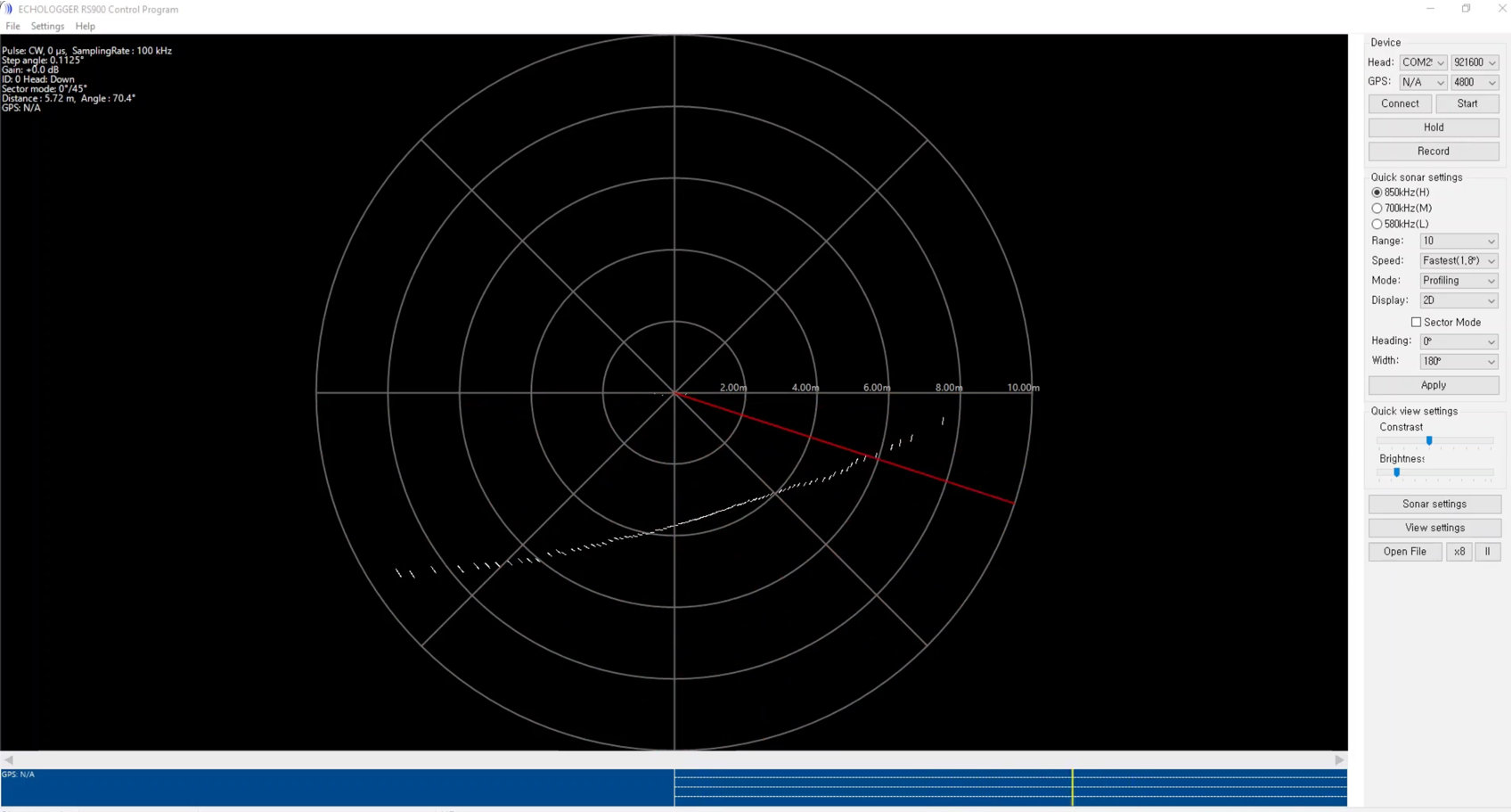
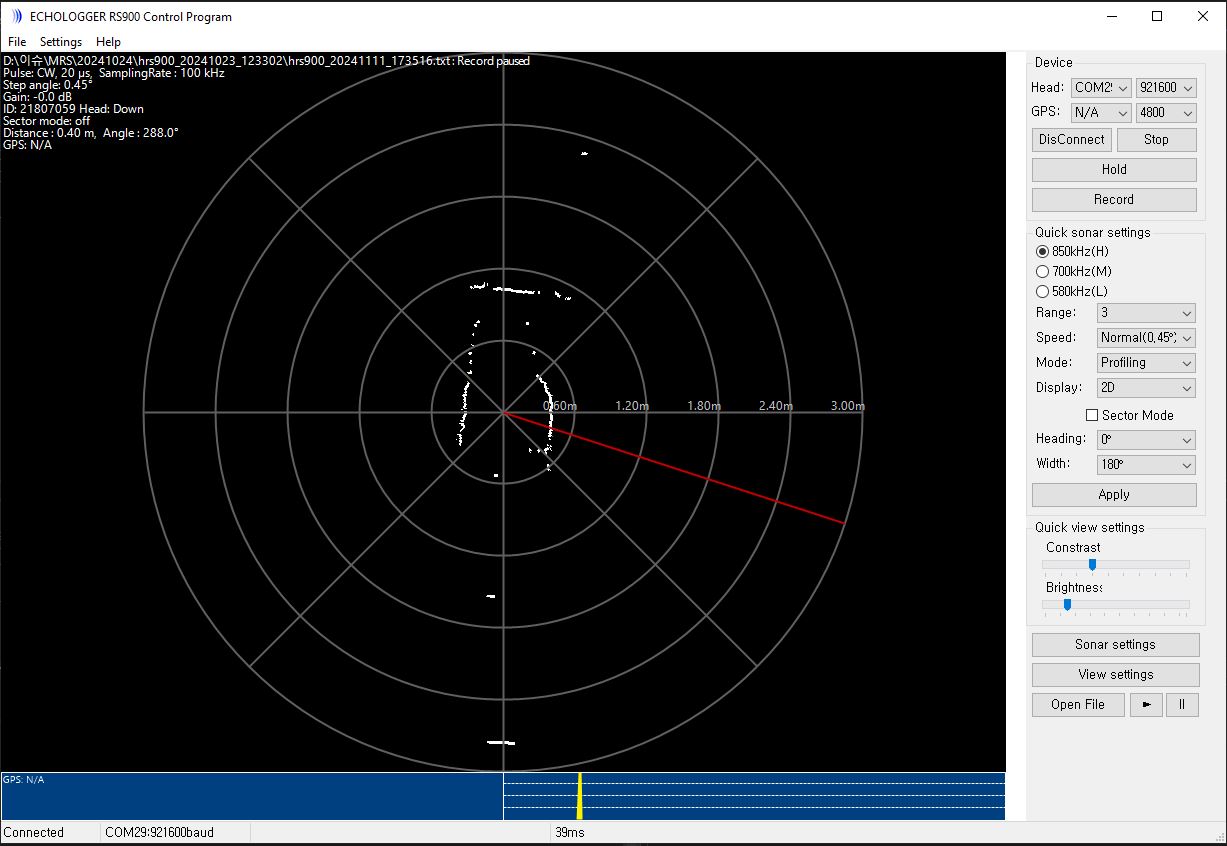
The MRS900P series is an ultra-compact mechanical profiling sonar designed for high-resolution profiling of underwater structures and seabed features.
Typical applications include:
- pipeline / cable profiling
- scour monitoring
- subsea structure inspection
- sediment profile monitoring
- underwater asset monitoring
It is optimised for applications requiring precise cross-sectional or radial profiling rather than forward-looking navigation imaging.
How does profiling sonar differ from standard scanning sonar?
Unlike a conventional fan-beam imaging sonar, the MRS900P uses a narrow cone-beam transducer to produce highly precise radial profile measurements.
This makes it better suited for:
- dimensional profiling
- structure cross-section measurement
- accurate geometric monitoring
- repeatable monitoring of structural changes over time
What beam characteristics does the profiling sonar provide?
The MRS900P uses a cone-beam transducer with very narrow beam angles:
- 850 kHz: 2.0°
- 700 kHz: 2.4°
- 580 kHz: 2.7°
This narrow cone beam enables highly accurate and repeatable profiling measurements.
Why does the profiling sonar use multiple frequencies?
The MRS900P offers selectable frequencies:
- 850 kHz → maximum resolution / sharpest profile
- 700 kHz → balanced performance
- 580 kHz → improved range / penetration in difficult conditions
This allows the operator to optimise performance for the environment and target.
What measurement performance does the MRS900P provide?
Typical specifications include:
- Minimum Range: 30 cm
- Maximum Range: 60 m
- Range Resolution: up to 7.5 mm
- Scanning Angle: adjustable up to 360°
This enables precise short-to-medium range profiling.
How compact is the MRS900P?
The MRS900P is one of the most compact profiling sonars on the market, weighing approximately 500 g class depending on model.
Its compact design makes it ideal for integration into:
- ROVs
- AUVs
- USVs
- fixed monitoring frames
What makes the rotational mechanism reliable?
The MRS900P uses a non-contact rotational scanning mechanism.
Benefits include:
- frictionless operation
- reduced wear
- lower maintenance requirements
- improved long-term reliability compared with contact-based rotating systems
What interfaces does the system support?
The MRS900P supports:
- RS232 / RS485 communication
- Baud rate up to 1 Mbps
For Ethernet-based systems, the sonar can also be integrated via Echologger's TU-E2S Ethernet Converter, enabling:
- TCP/IP communication
- IP-based network deployment
- Integration with Ethernet-enabled ROV, AUV, and robotic platforms
The system also supports open API / developer integration, simplifying OEM and robotics integration.
What depth-rated versions are available?
The MRS900P series is available in multiple pressure-rated versions:
- MRS900SP → 300 m
- MRS900LP → 1000 m
- MRS900P → 2000 m
This allows selection based on deployment depth requirements.
When should I choose profiling sonar instead of imaging sonar?
Choose profiling sonar when your priority is:
- accurate structural measurement
- repeatable dimensional monitoring
- cross-sectional / radial profiling
- precise scour or sediment profile monitoring
Choose standard imaging sonar when your priority is:
- situational awareness
- navigation
- obstacle avoidance
- broad scene visualisation
- Log in to post comments