

One of the most compact mechanical scanning sonar systems in the market
We offer open-source APIs for our devices, empowering developers by simplifying integration, accelerating development, improving functionality, and enhancing compatibility. This strategic move not only boosts developer satisfaction and productivity but also strengthens our market position and drives innovation.
Echologger APIs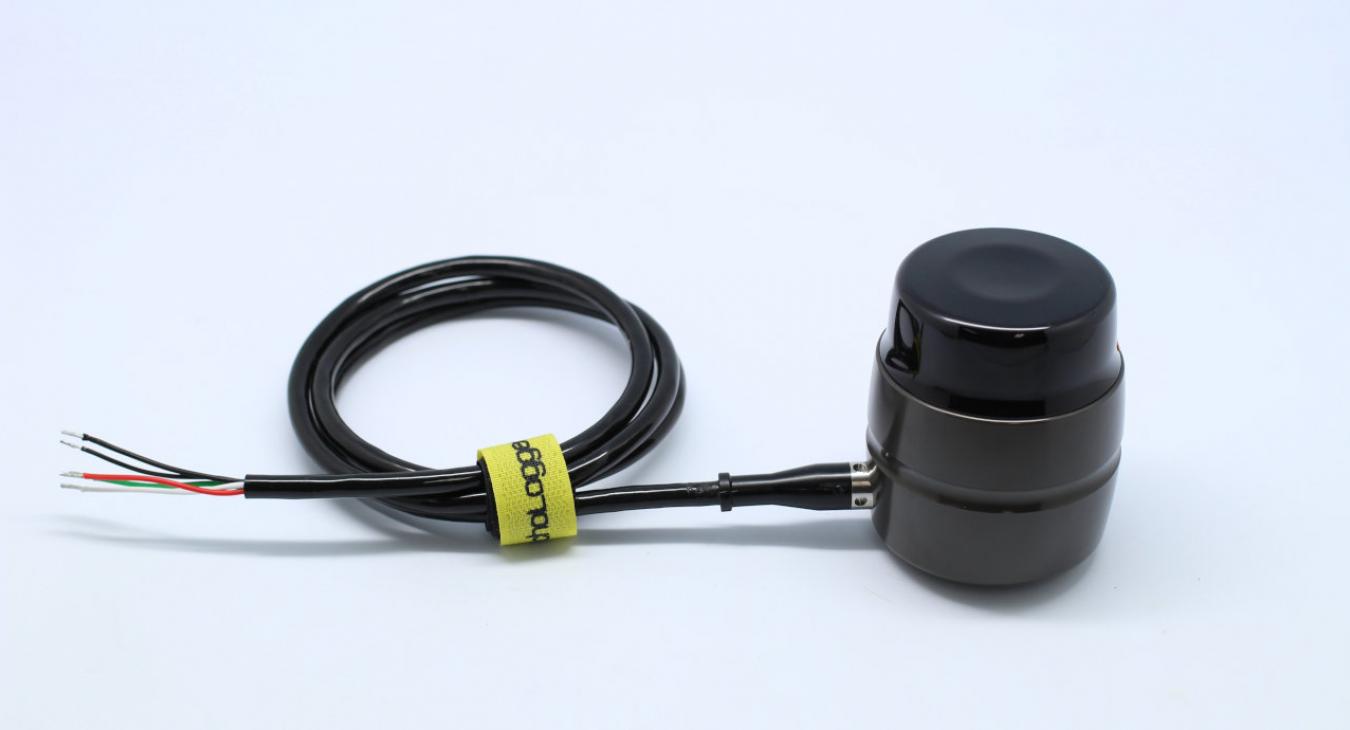


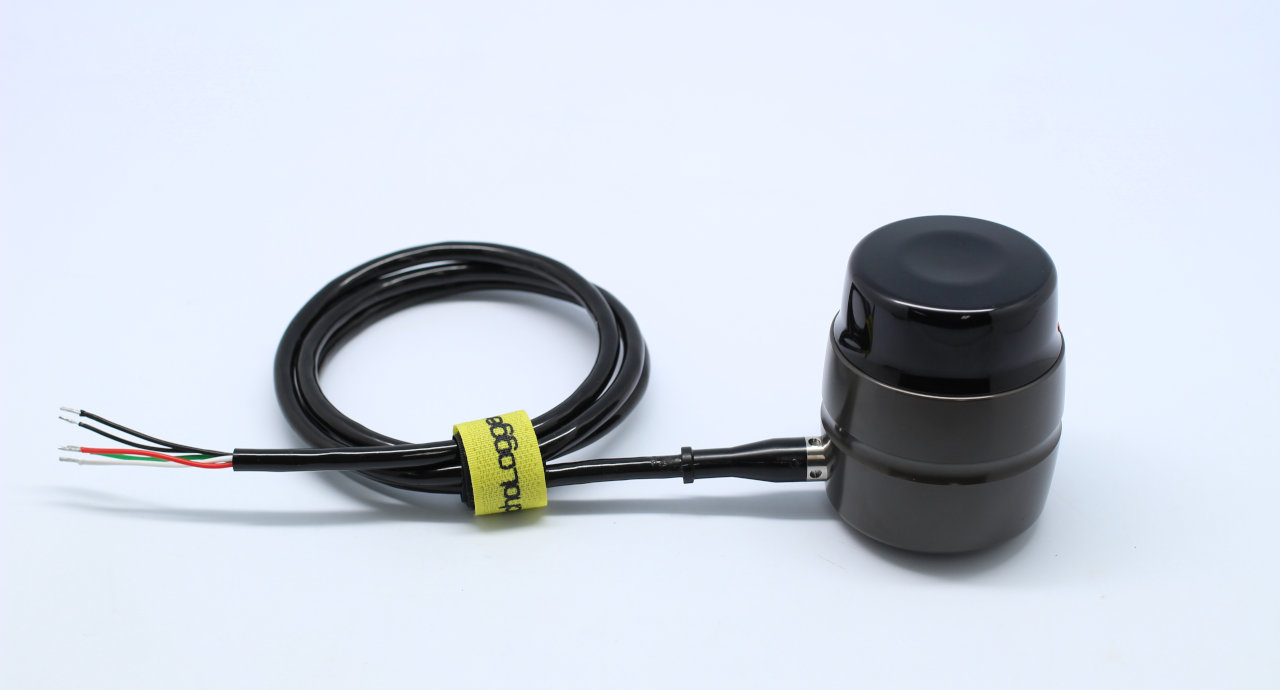
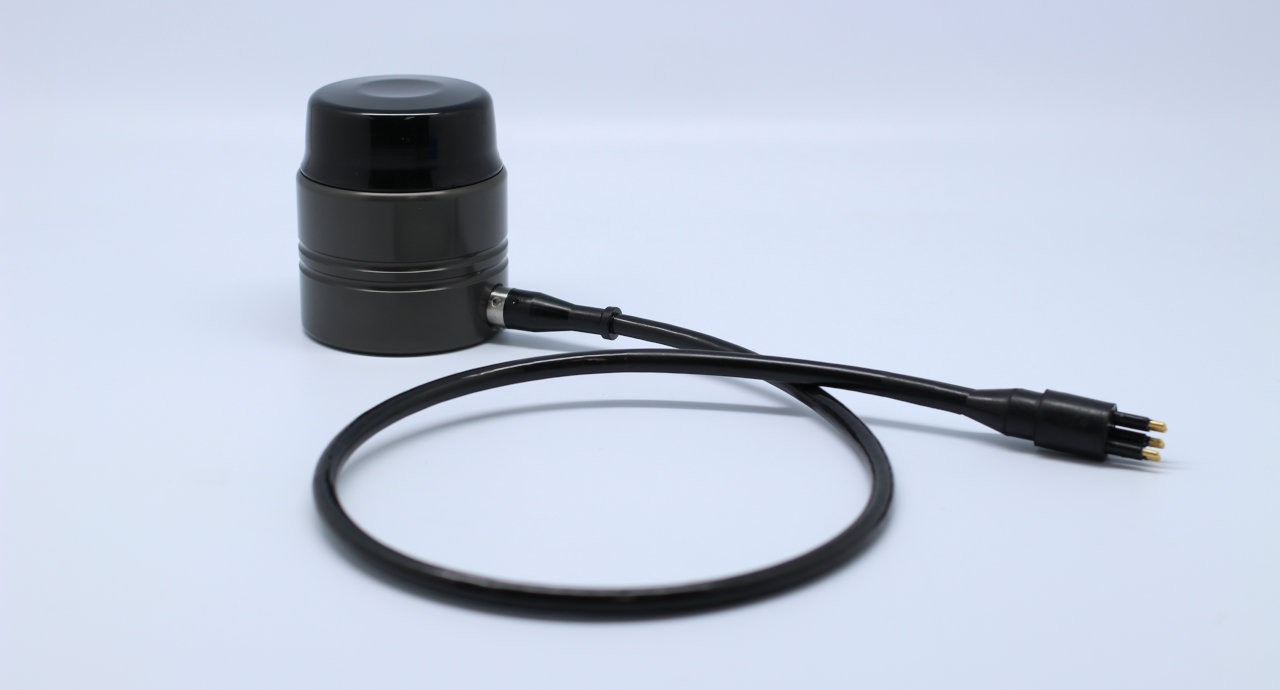
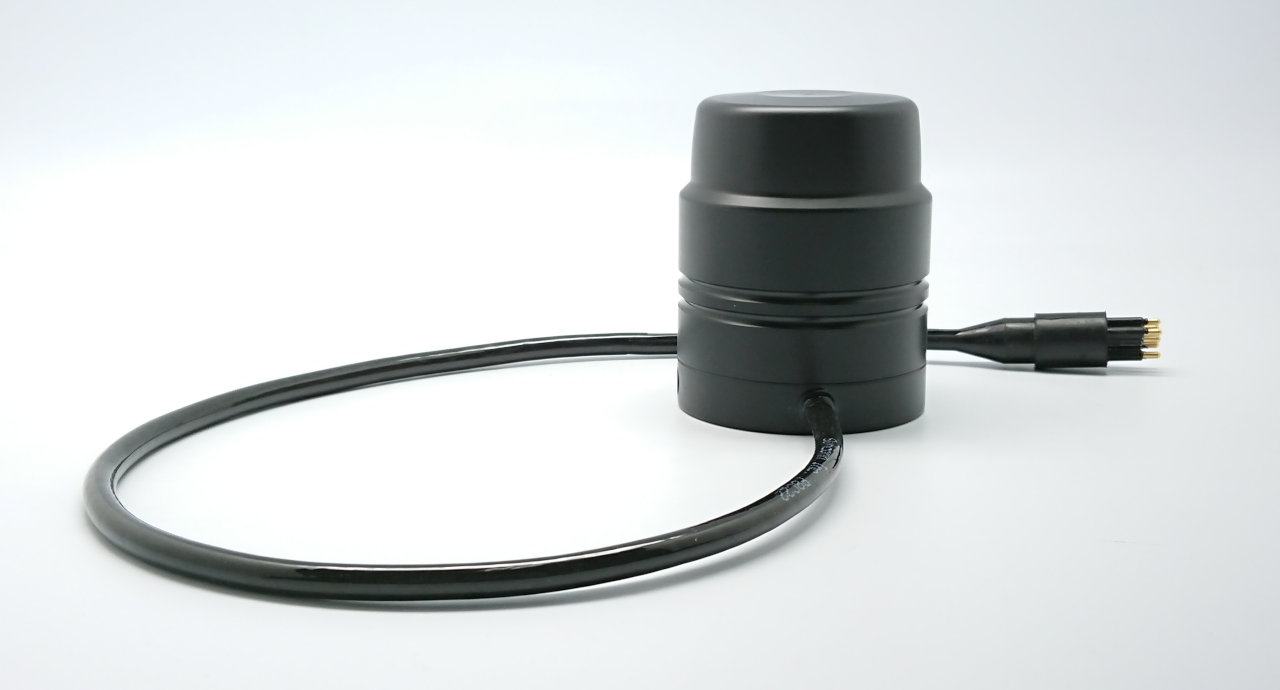
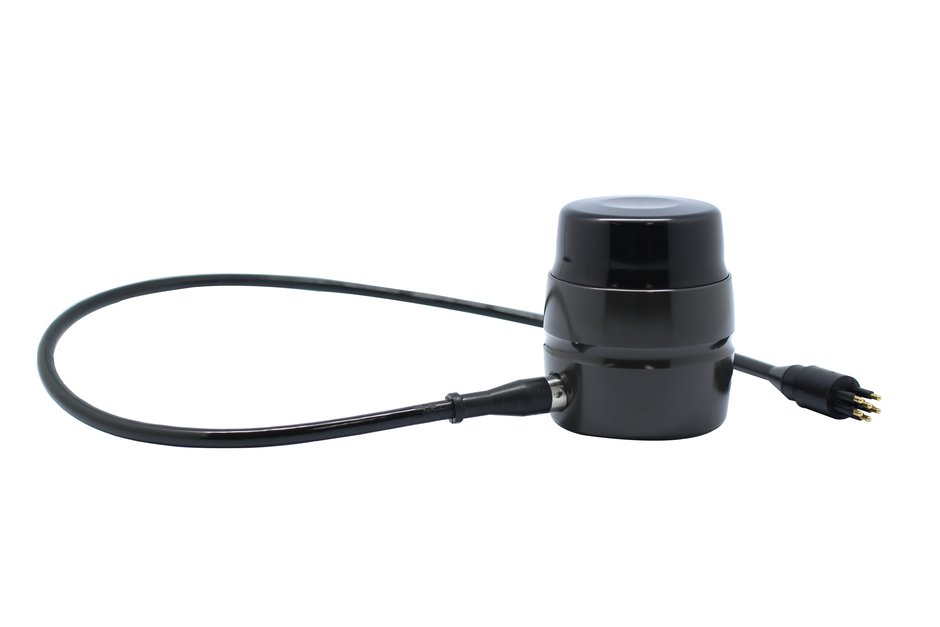
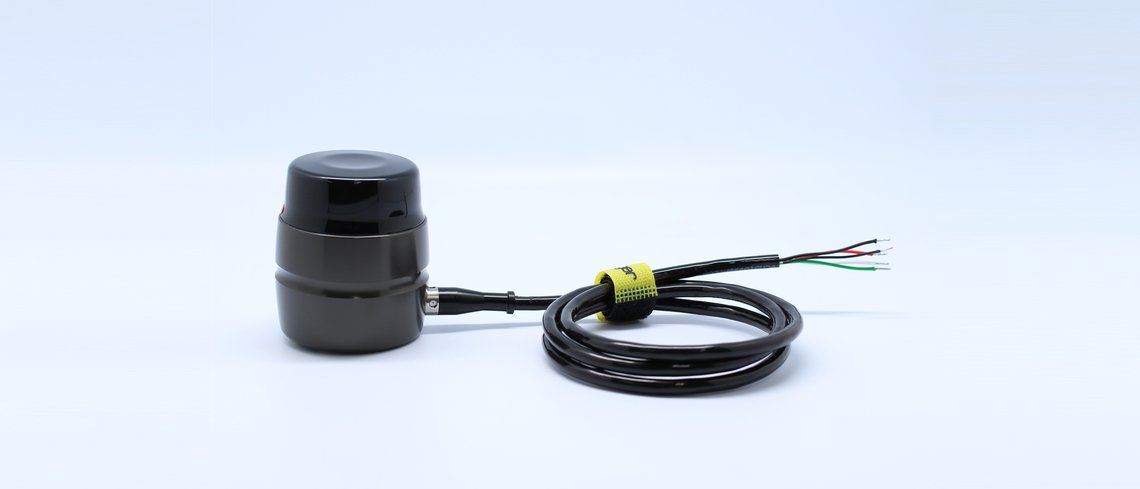
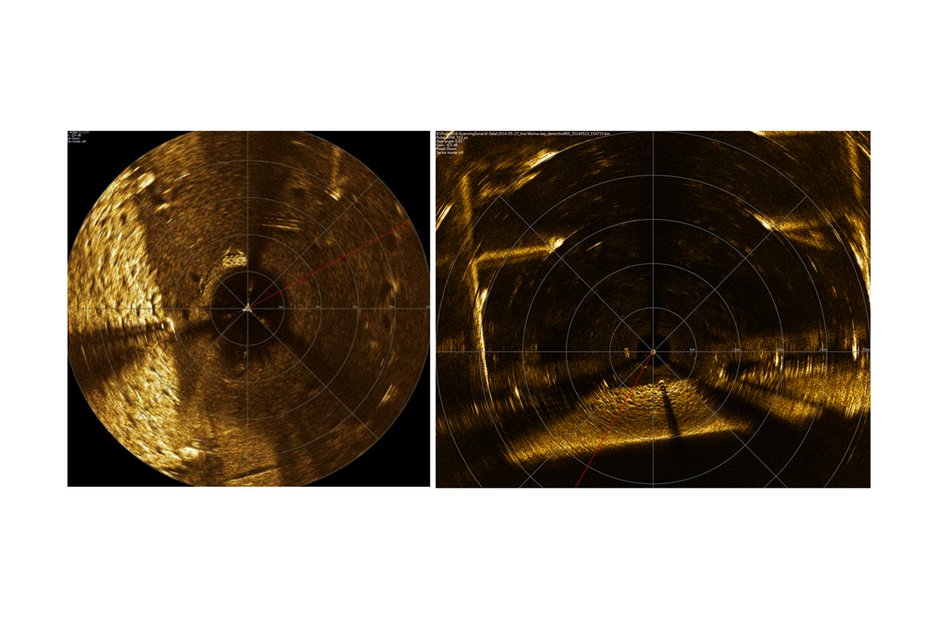
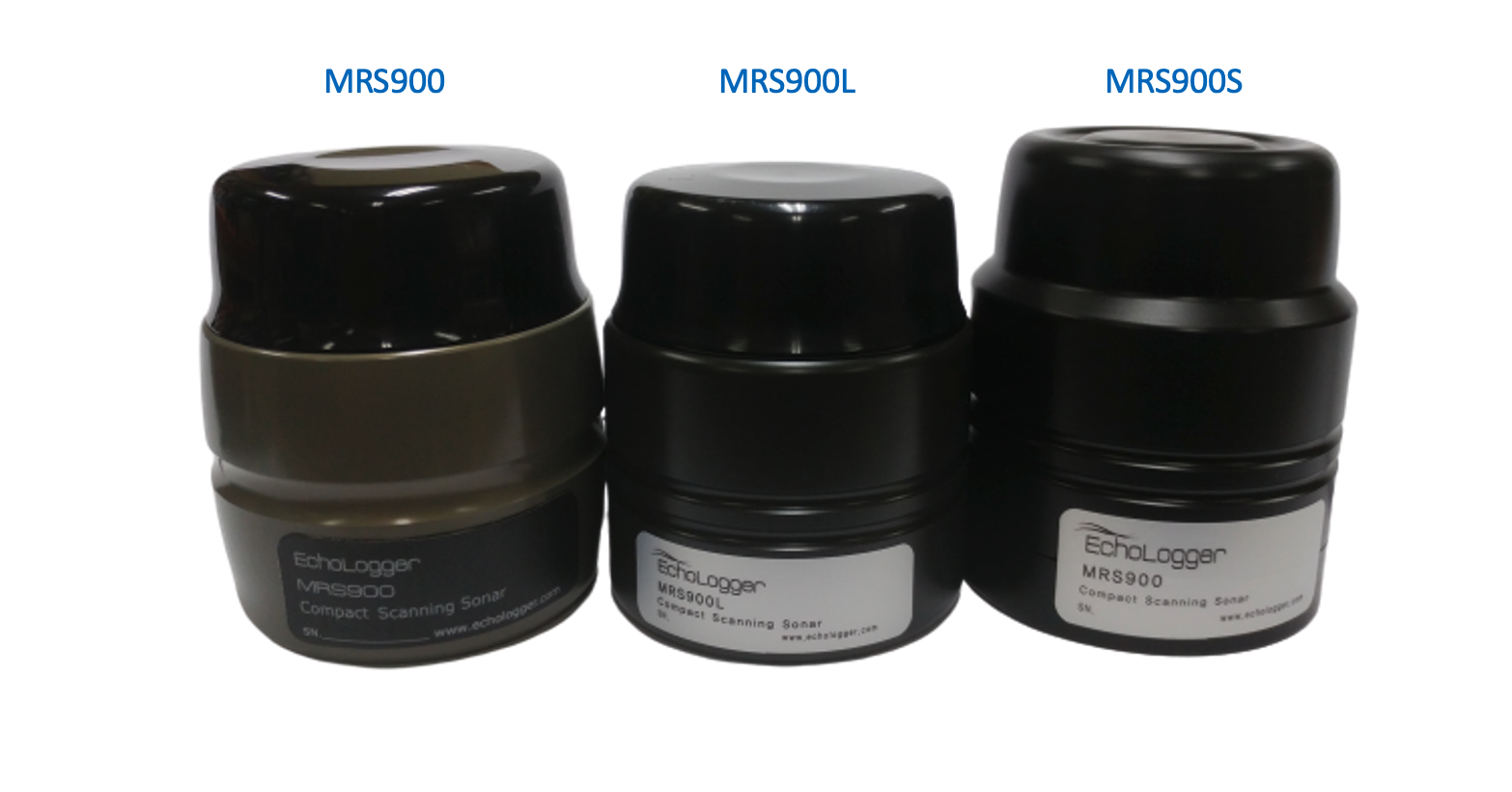
The MRS900 series, comprising the MRS900, MRS900L, and MRS900S, stands as a remarkable trio of mini scanning sonar systems, each tailored to distinct underwater environments with pressure ratings of 2000m, 1000m, and 300m, respectively. Renowned for their compact design and advanced features, these sonar systems redefine underwater imaging capabilities, offering unparalleled performance in the marine exploration domain.
As one of the most compact mechanical scanning sonar systems available, the MRS900 series boasts a minimal weight, starting from 380g (140g in water). This lightweight profile, coupled with its compact design, facilitates easy deployment, making it an ideal choice for various underwater applications.
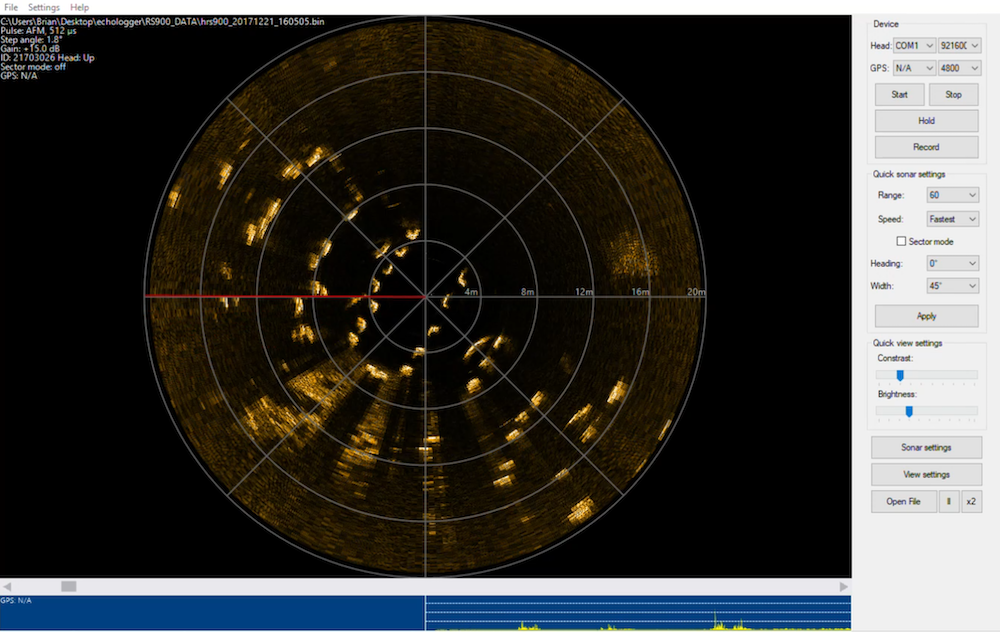
The image quality of the MRS900 series is elevated by the incorporation of CHIRP technology, surpassing its competitors in clarity and resolution. This technological innovation allows for real-time underwater imaging using acoustics, providing operators with a detailed and accurate representation of the underwater terrain.
A key feature distinguishing the MRS900 series is its non-contact rotational scanning mechanism. This mechanism ensures low noise, frictionless scanning, enabling the sonar systems to operate seamlessly for extended periods without breakdowns. This reliability is crucial for sustained underwater exploration and navigation, particularly for Remote Operated Vehicles (ROVs) and Autonomous Underwater Vehicles (AUVs).
Designed optimally for the navigation of underwater vehicles, the MRS900 series offers high-resolution images through its piezo-composite broadband transducer. The digital CHIRP technology further enhances the imaging capabilities, providing a clear and detailed view of the underwater surroundings.
Features
- One of the most compact imaging sonar in the market
- Real time underwater imaging using acoustics
- High resolution images with a piezo-composite broadband transducer
- Digital CHIRP technology
- Non-contact rotational scanning mechanism
- Easy deployment
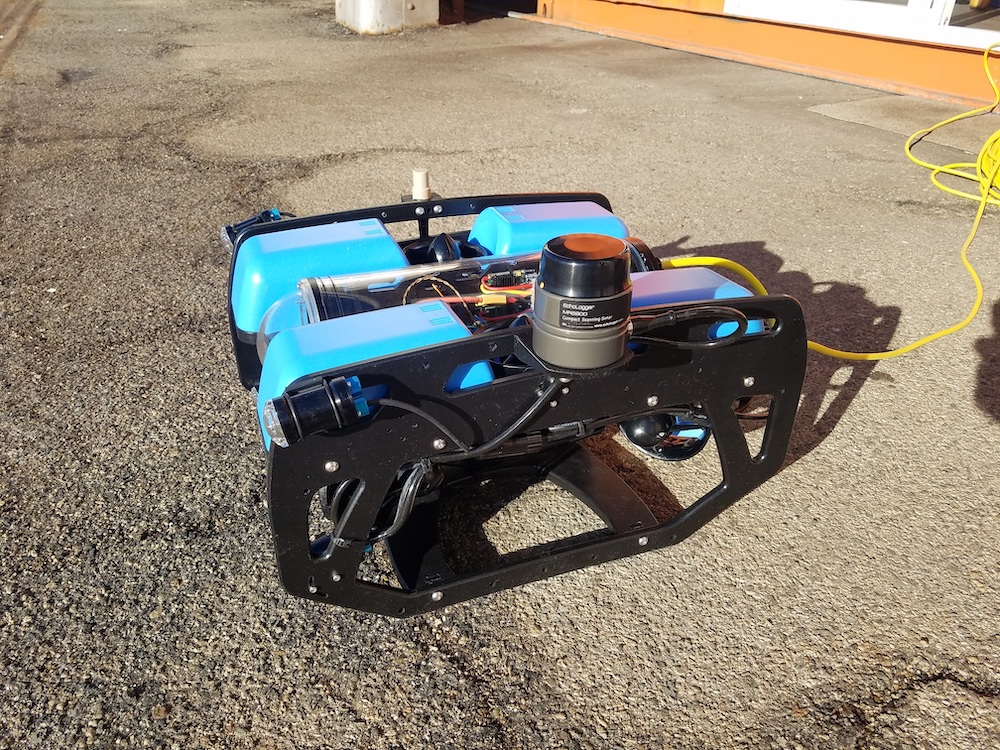
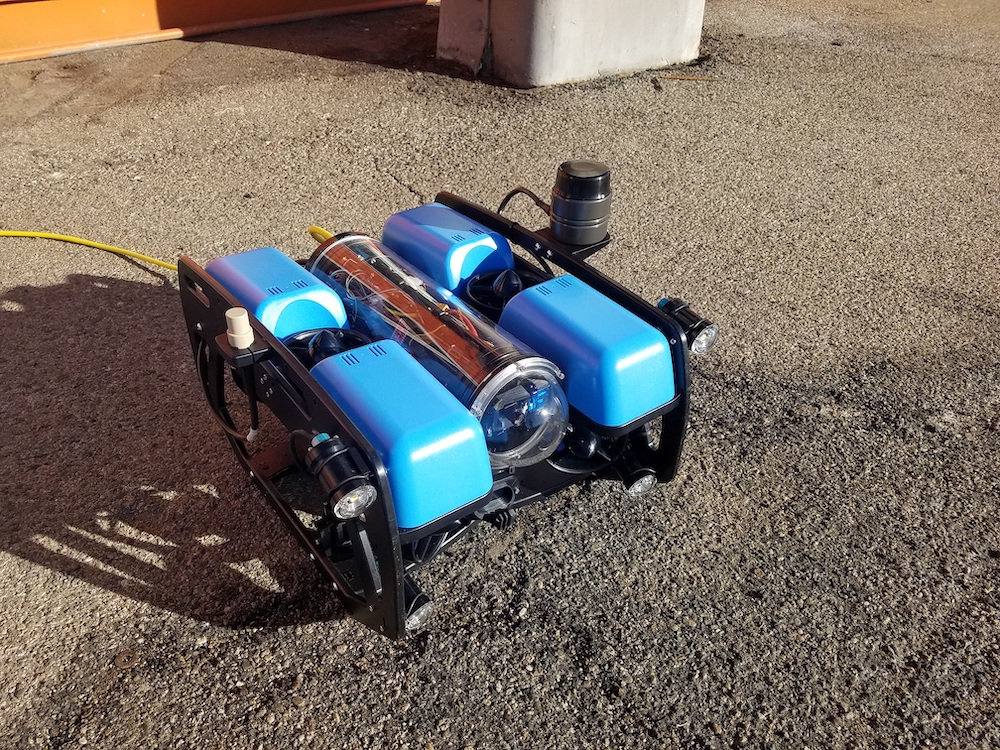
- Ideal for mini ROVs and diver sonar

| Pulse Type | CHIRP and CW (selectable or auto switching) |
| Operating Frequency | 850, 700 & 580 kHz |
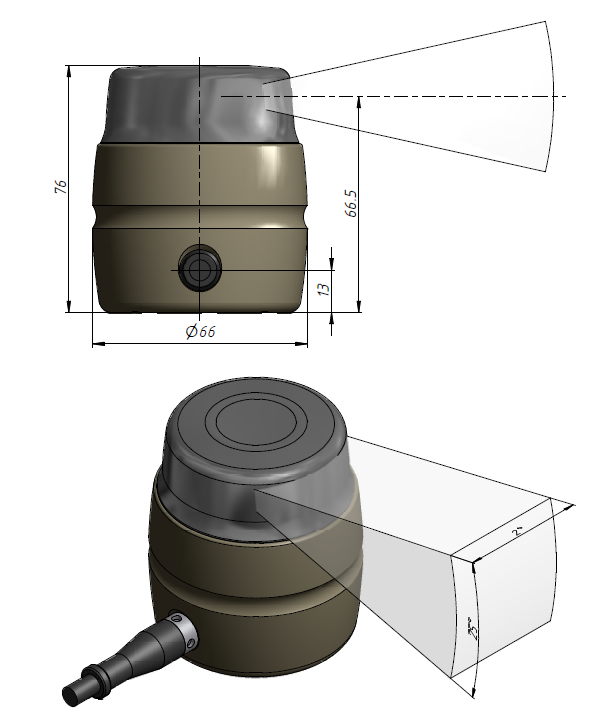
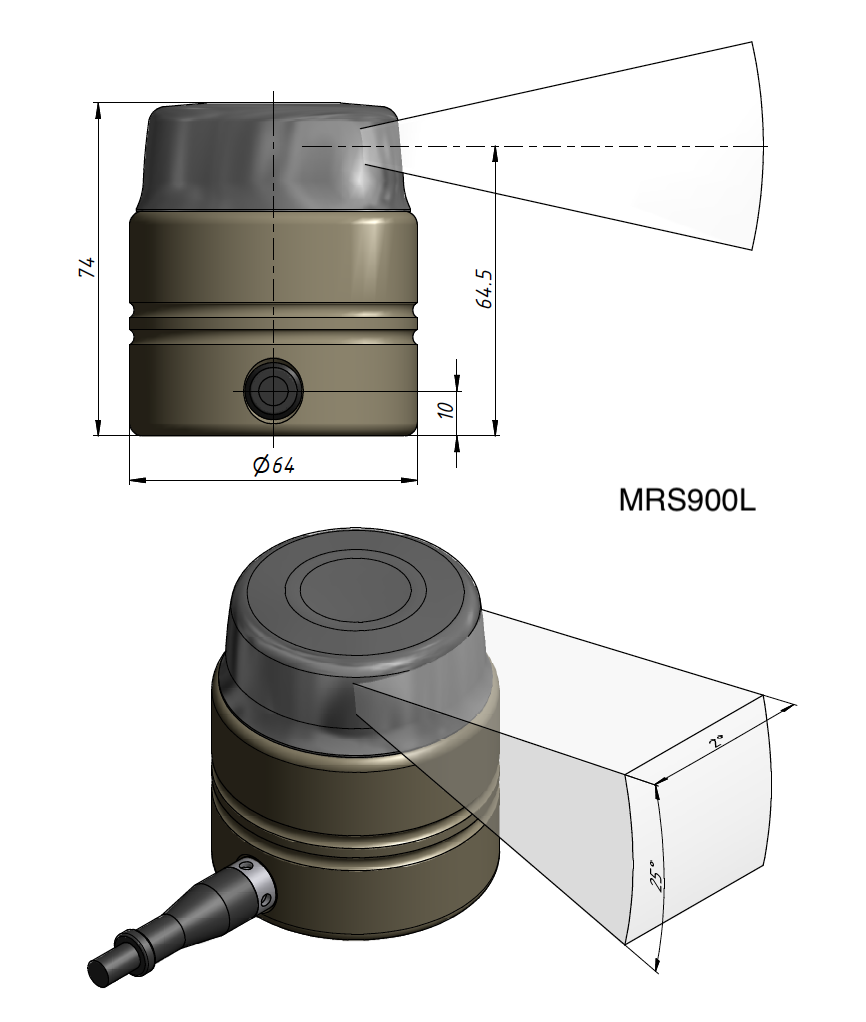
| Beam Width | 1.6° H, 22° V (+/-3dB) @850kHz, Fan beam |
| Transmit Pulse Length | 500µsec(Chirp), 10 ~ 100µsec(CW) |
| Max Range | 60m |
| Range Resolution | 7.5mm Max |
| Scan Angle | 360° continuous or defined Sector Scan |
| Scan Angle Resolution | 0.1125°, 0.225°, 0.45°, 0.9°, 1.8° (selectable) |
| Scan Speed | 4sec / 360° @ range 5m, 921kbaud, 100kHz sampling |
| Scan Speed | 6.4sec / 360° @ range 10m, 921kbaud, 100kHz sampling |
| TVG | 60dB |
| Gain Control | -15dB ~ +15dB |
| Interface | RS232 / RS485 up to 1 Mbaud |
| Power Requirement / Consumption | 12 ~ 60VDC / 4W Max. |
| Max Cable Length | 300m @ 1Mbaud, 1km @ 115kbaud |
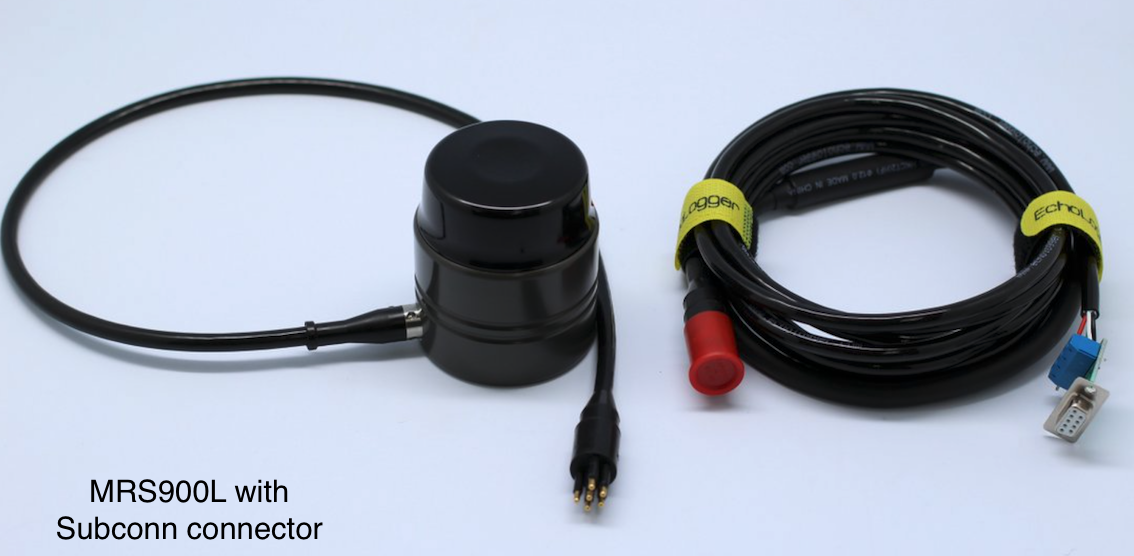
| Connector | Pigtail or optional Subconn MCIL6M |
| Operating Depth | 300m(MRS900S), 1,000m(MRS900L), 2,000m(MRS900) |
| Housing Material | Acetal (MRS900S), Hard anodised Aluminium (MRS900, MRS900L) |
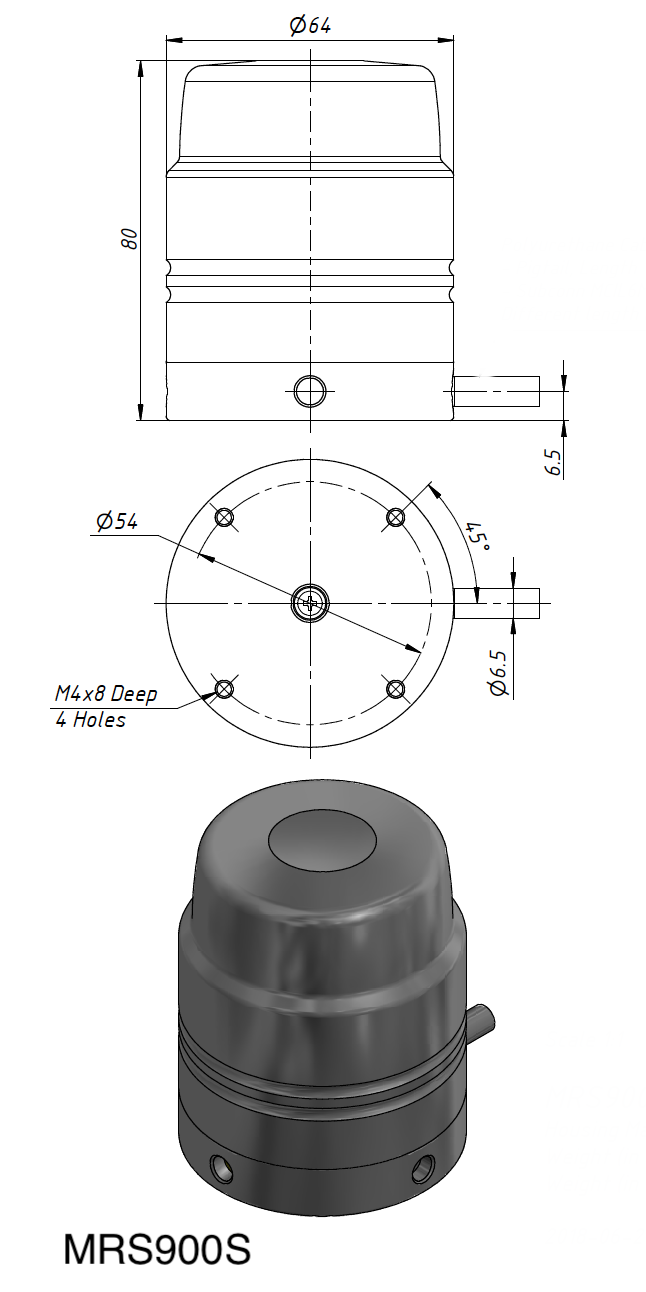
| Dimensions | D66 x H76 (MRS900), D64 x H75 (MRS900L), D64 x H80 (MRS900S) |
| Weight | MRS900 : 580g(in air)/ 350g(in water), MRS900L : 410g/190g, MRS900S : 380g/140g |

What is the MRS900 used for?
The MRS900 is a compact scanning sonar designed for:
- ROV navigation
- underwater inspection
- obstacle awareness
- search operations
It generates acoustic images by scanning across a defined sector or full rotation.
How compact is the MRS900 and why does it matter?
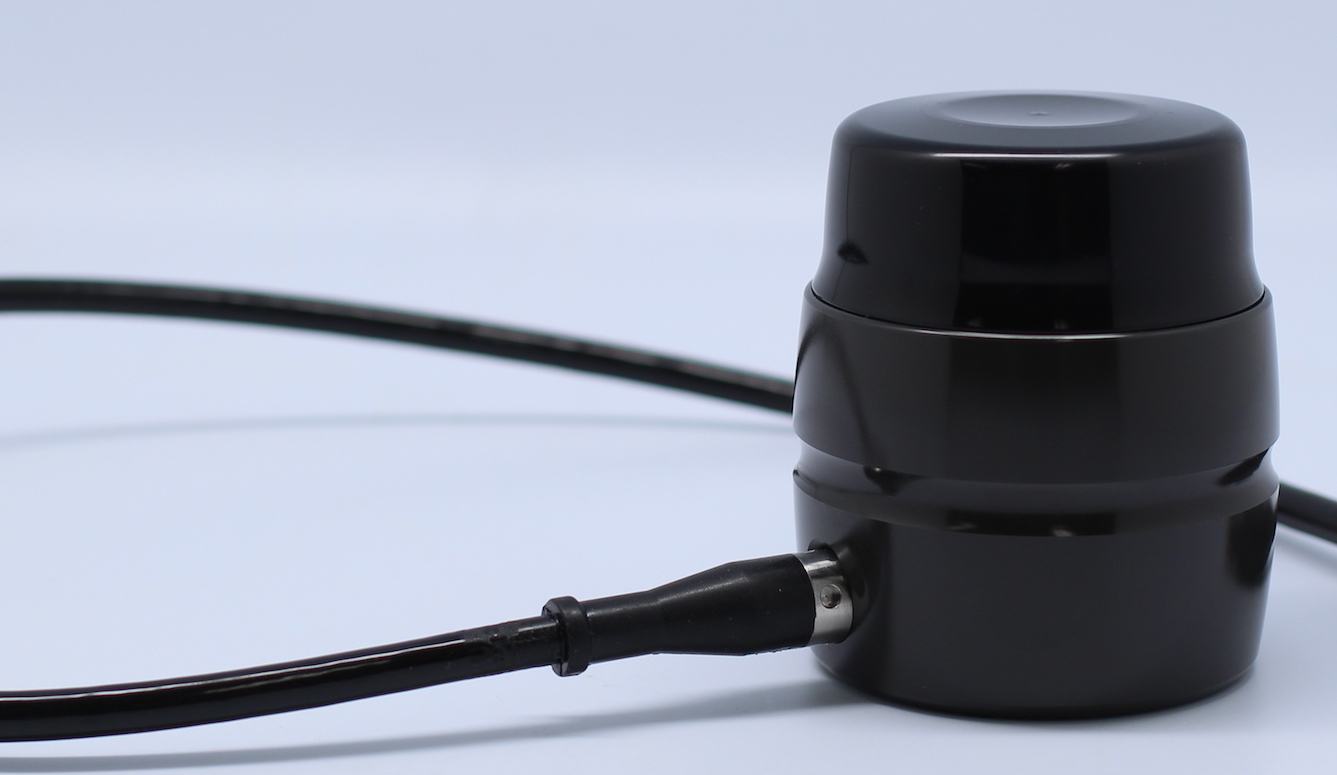
The MRS900 features an ultra-compact design (~64 mm diameter, lightweight), making it suitable for:
- small ROVs
- compact robotic platforms
- confined deployment environments
This allows integration where larger sonar systems are not practical.
Can it operate in low visibility?
Yes. Sonar operates independently of light and remains effective in turbid or dark water.
Image quality may be affected by environmental conditions, but can typically be optimised through:
- gain adjustment
- range settings
- scan configuration
How does the MRS900 compare to multibeam forward-looking sonars?
The MRS900 is a mechanical scanning sonar, while multibeam systems provide instantaneous forward images.
MRS900 advantages:
- much smaller footprint
- lower power consumption
- flexible scanning (sector or full 360°)
- high image clarity using CHIRP
Multibeam advantages:
- real-time forward imaging
- better suited for high-speed navigation
When should I choose MRS900?
Choose MRS900 when:
- platform size and power are limited
- inspection and image clarity are important
- full-area scanning (not just forward view) is required
- Log in to post comments